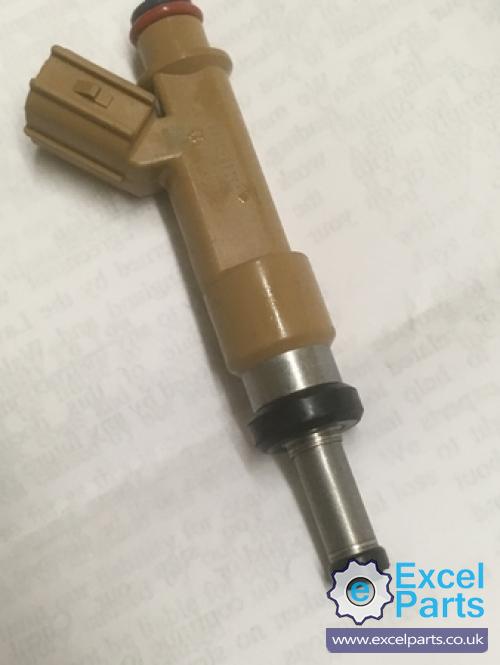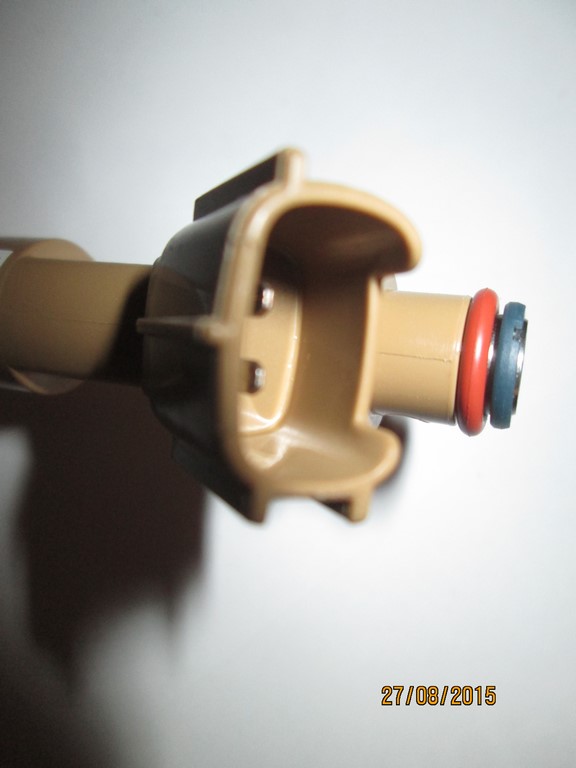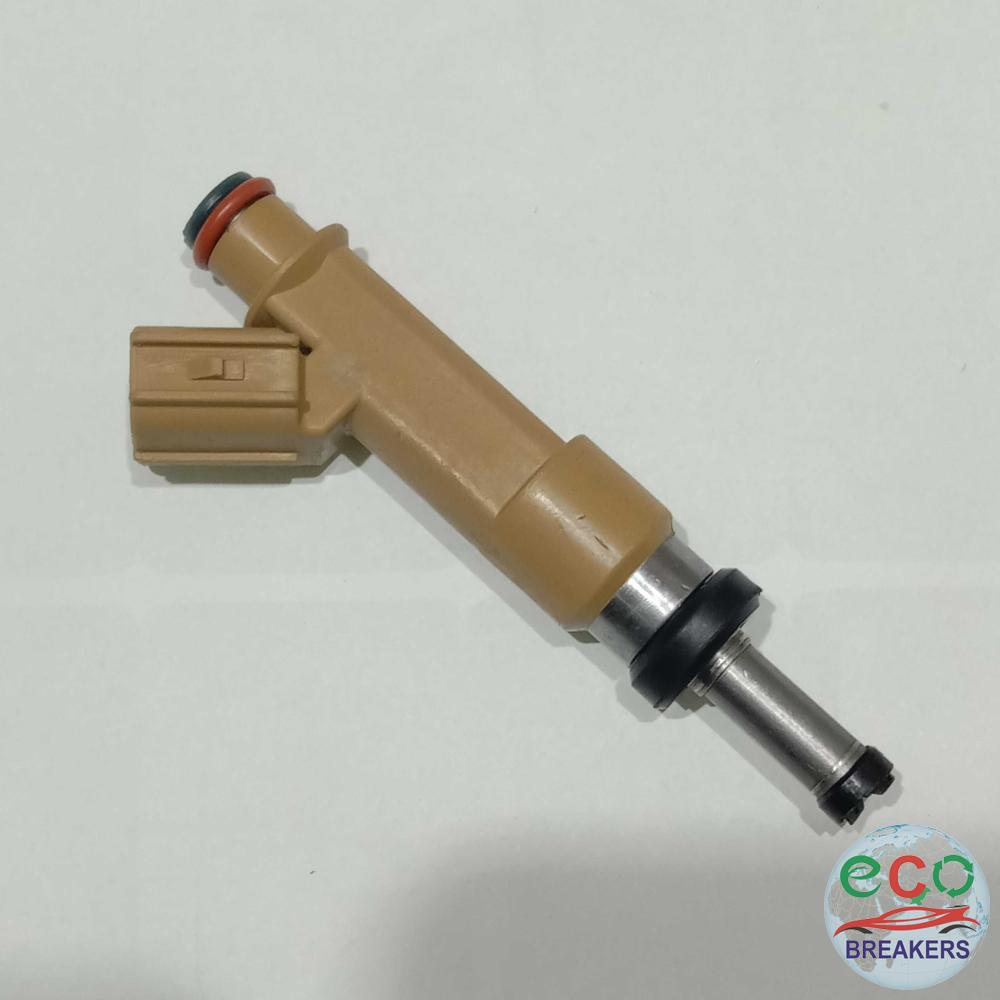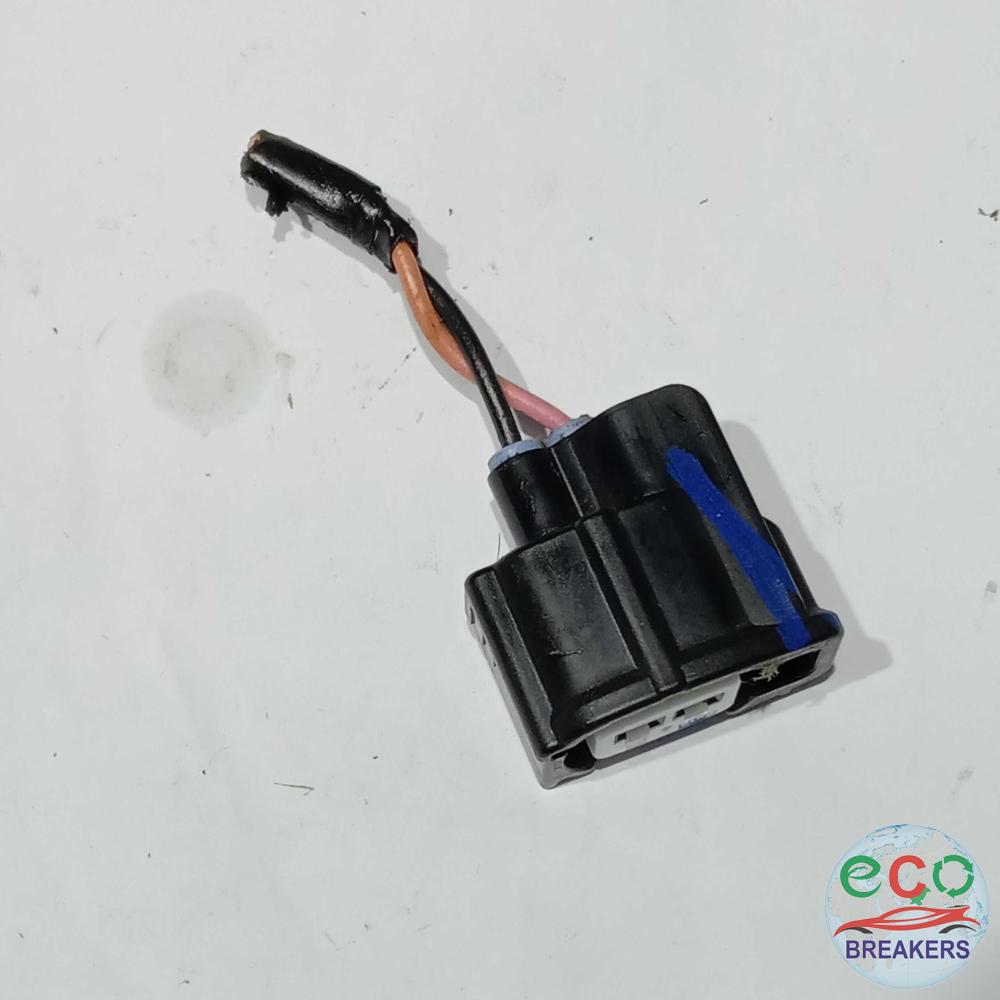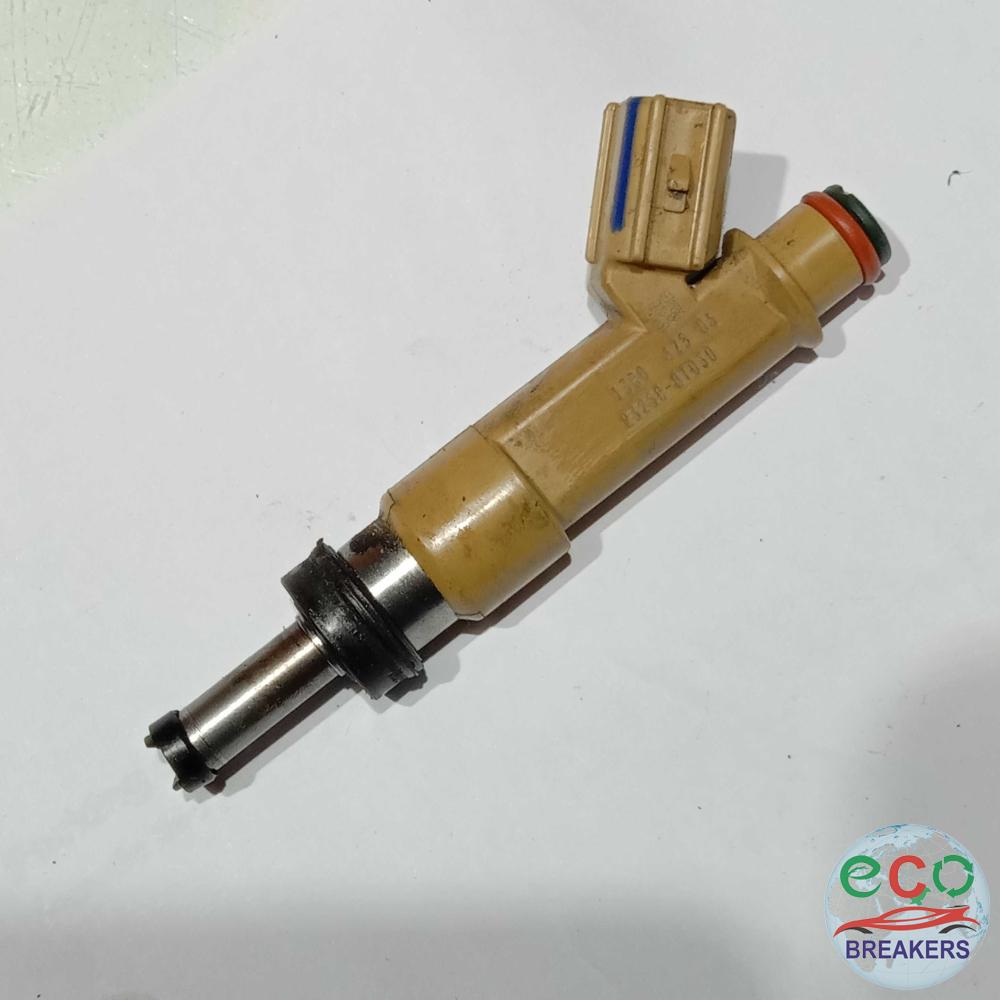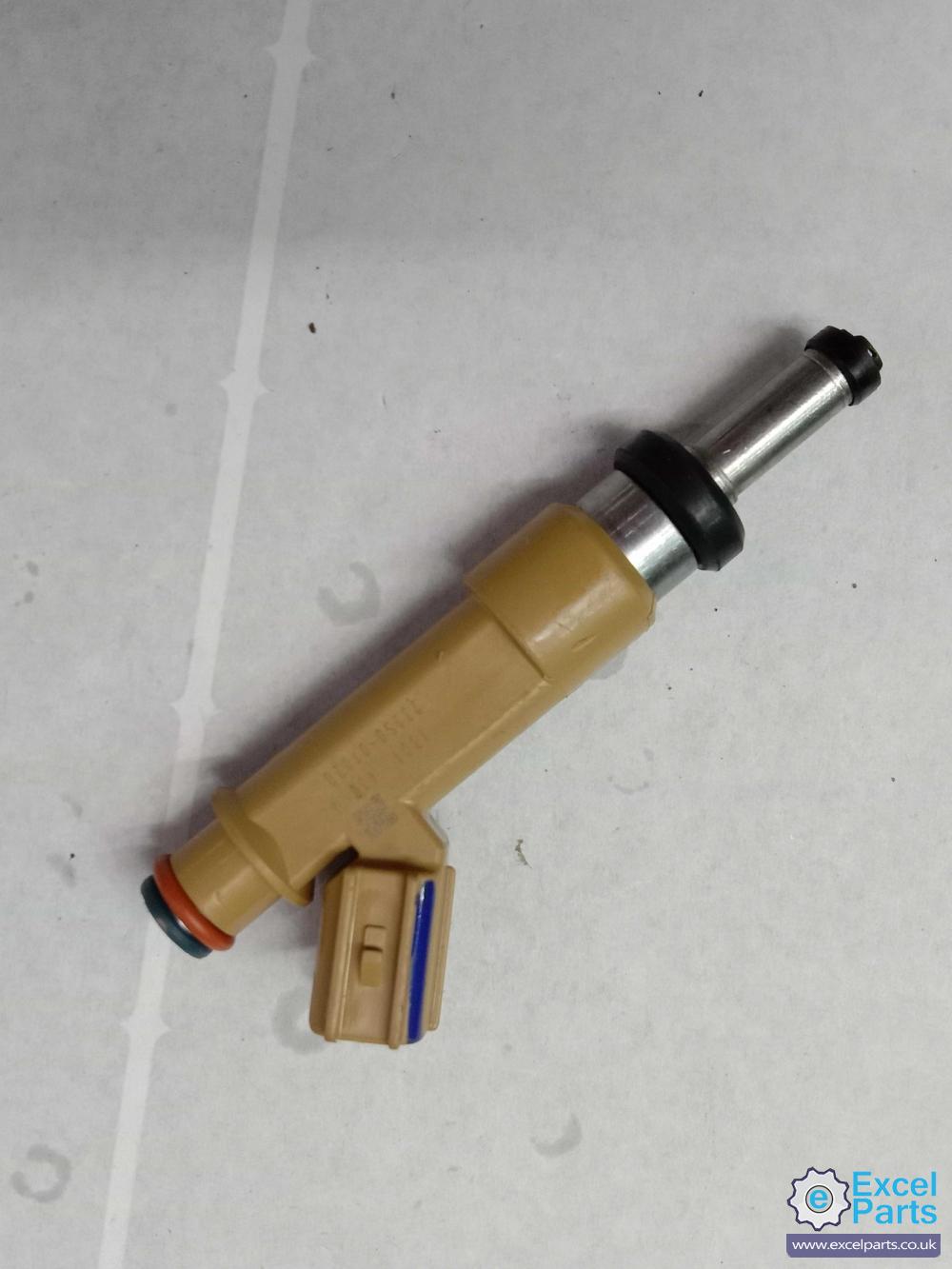
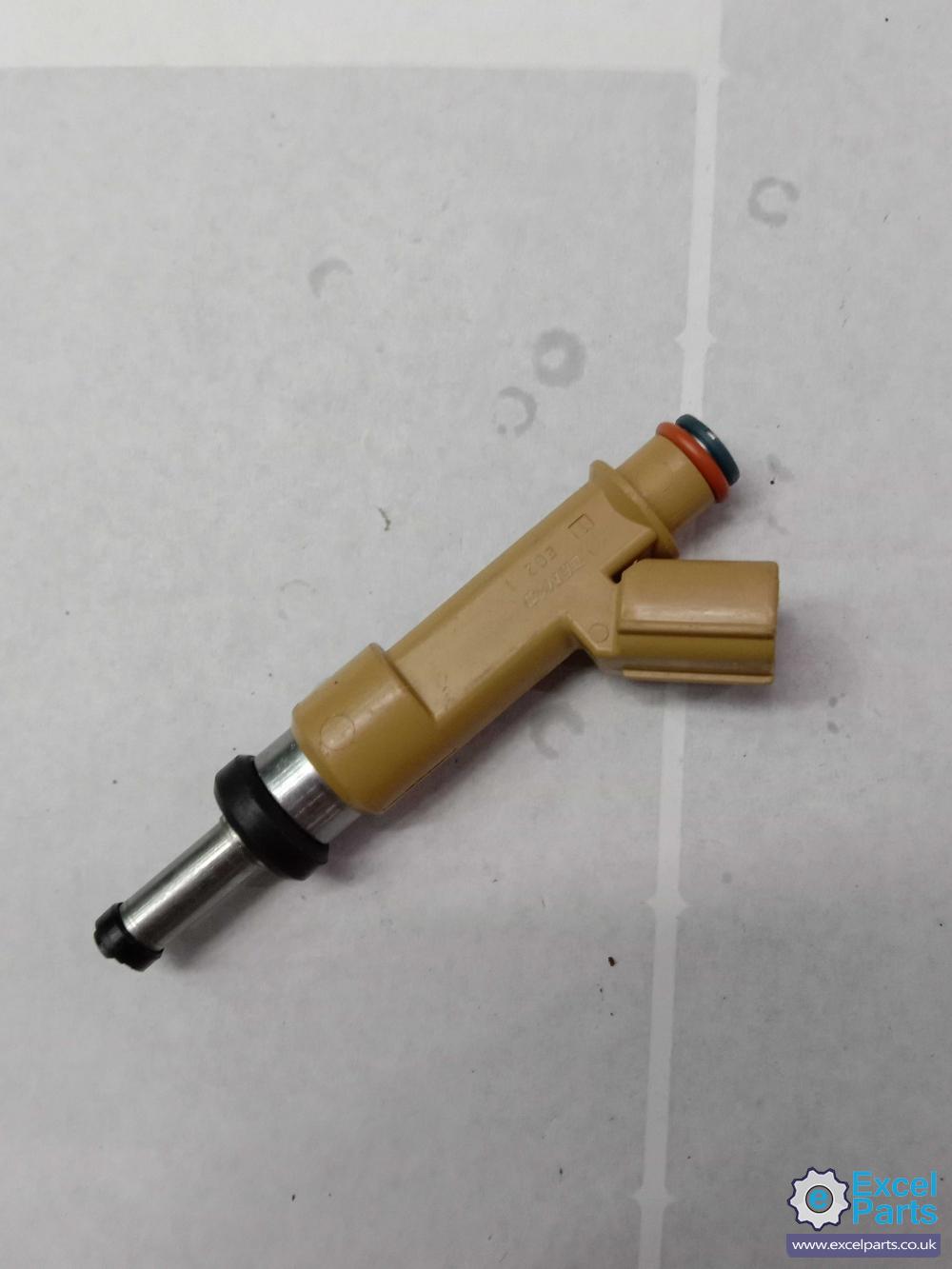
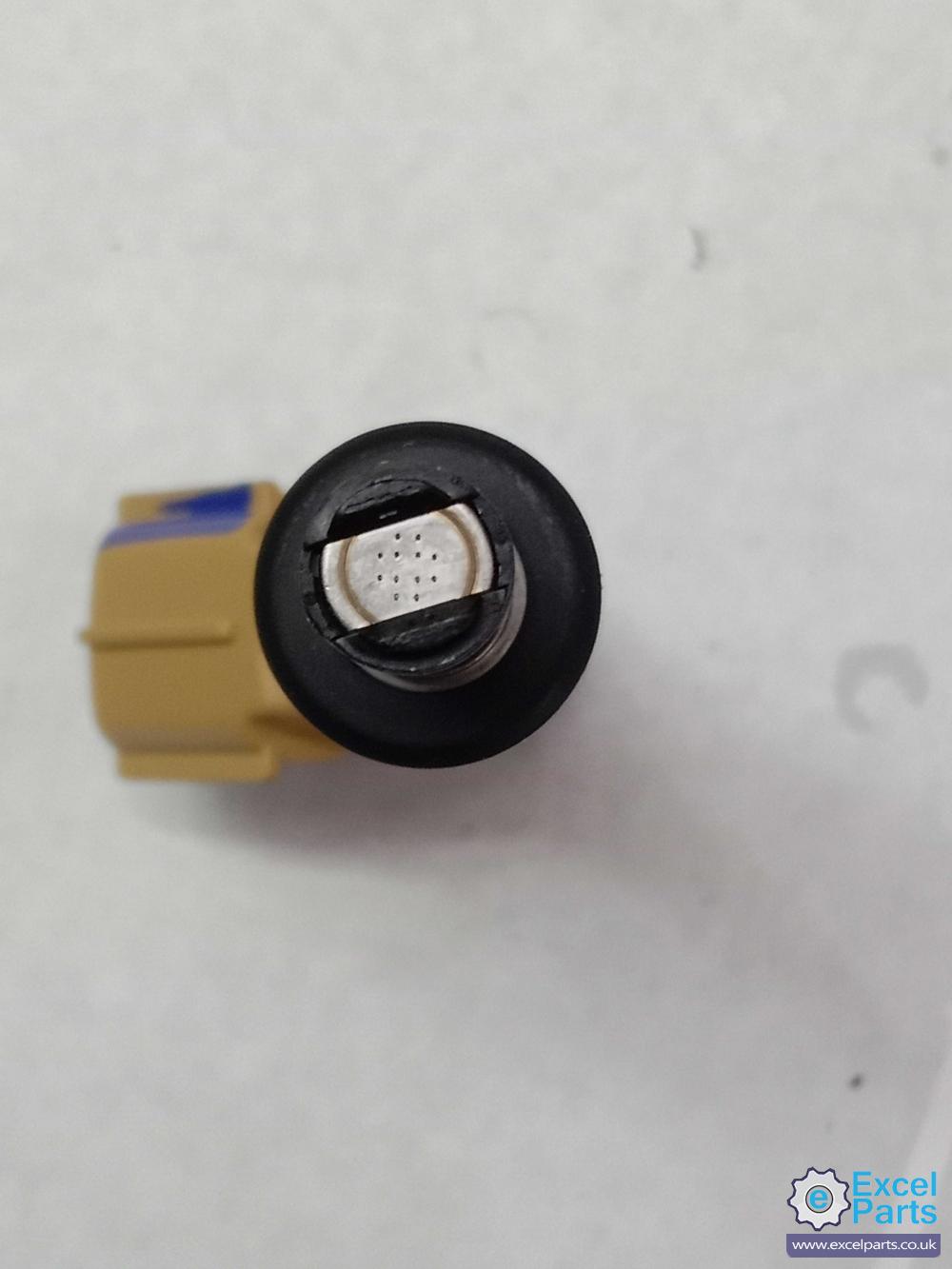
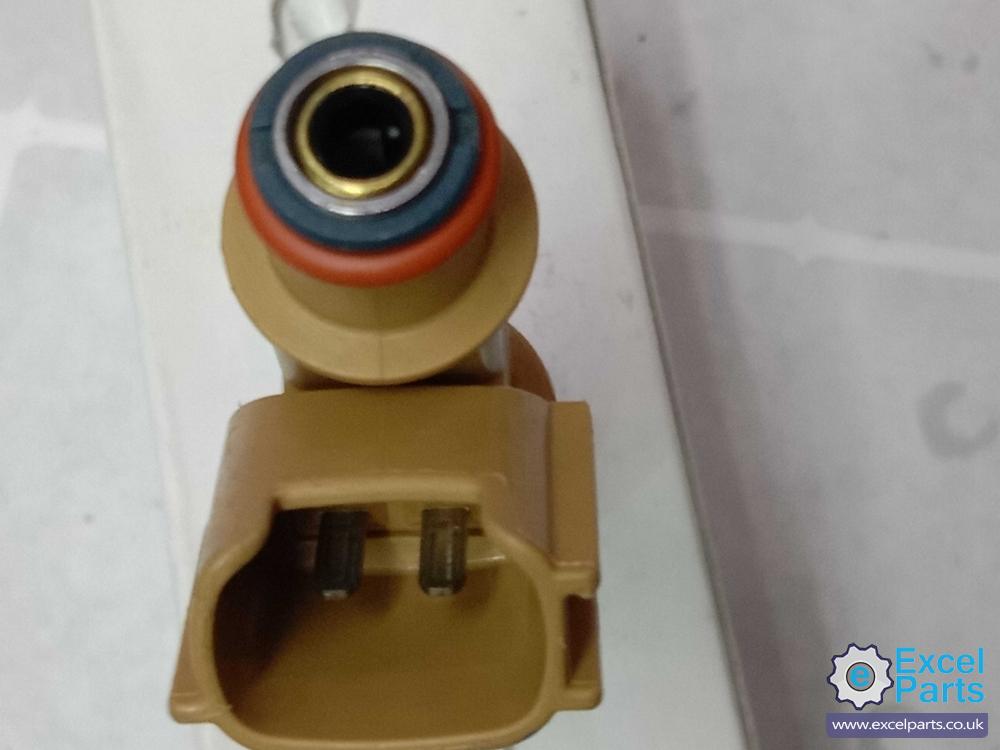
The fuel injector sprays a fine mist of petrol directly into the engine's combustion chamber at precise intervals, allowing the engine control unit to deliver exactly the right amount of fuel for efficient combustion. This atomised fuel delivery is what lets modern engines run cleanly and economically while maintaining power on demand.
Fuel injectors sit in the cylinder head, typically mounted in a fuel rail that runs along the top of the engine; on this Toyota Prius hybrid, you'll find them positioned to spray directly into each of the four cylinders of the 2ZR-FXE engine.
A clogged or failing injector produces rough idling and hesitation during acceleration, as that cylinder receives too little fuel or a poorly atomised spray; you might also notice increased fuel consumption, a check engine light, or occasionally a misfire that makes the engine shudder. Carbon buildup from fuel additives or old petrol is usually the culprit, though electrical issues can prevent the injector solenoid from opening properly.
A mechanic will typically plug in a diagnostic scanner to read fault codes and identify which injector is misbehaving, then either attempt a fuel system clean using specialised additives or remove and bench-test the suspect injector. If cleaning doesn't restore proper spray pattern and electrical function, replacement is the only reliable fix, as internal wear and deposits usually can't be fully restored.
Fuel injectors are rarely fully reconditioned in the traditional sense because their internal precision components—the needle valve and solenoid windings—are engineered to extremely tight tolerances and wear unpredictably. While some specialist firms offer ultrasonic cleaning services for carbon removal, reconditioning is generally unreliable and most garages and breakers recommend fitting a replacement rather than risk poor atomisation and further engine problems.
A genuine used fuel injector from a known-mileage donor vehicle is absolutely suitable as a replacement, provided it's been bench-tested and confirmed to spray correctly and respond electrically. Ensure it's been flow-tested before fitting, as you want confirmation that the needle valve opens cleanly and the spray pattern is intact, otherwise you're simply moving the problem from one engine to another.
Trade professionals often call these injectors simply 'injectors' or 'fuel nozzles', and you may see them listed as 'petrol injectors', 'direct injectors' (if the engine uses direct injection), or occasionally by their Denso or Bosch part numbers depending on the OEM supplier.
Always disconnect the fuel pump relay or battery before loosening any fuel rail connections to relieve pressure and avoid a petrol spray; wear safety glasses as fuel can splash into your eyes. Handle injectors carefully—don't drop them or soak them in harsh solvents—and if you're refitting used injectors, renew the sealing O-rings to prevent fuel leaks that could cause misfires or fire risk.
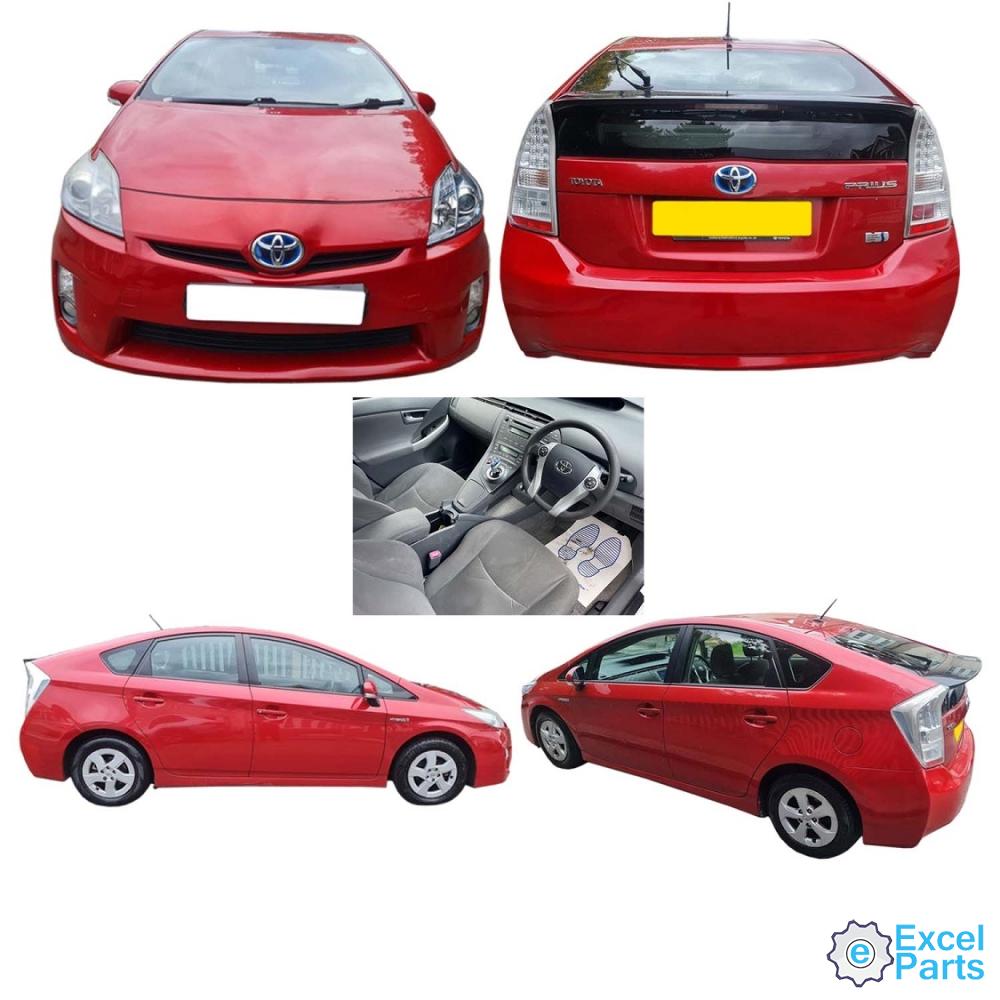
Toyota Prius Hybrid MK3 ZVW30 T3 VVT-I FB10 60 REG Fuel Injector 1.8 i 1798 cc Hybrid 2ZR-FXE 2ZRFXE CVT 5 Door Hatchback
Part Number(s): 23209-39145, 23250-39145, 23209-0t010, 23250-0t010, 23209-39146, 23250-39146, 23209-09130130142912, 23209 39145, 23250 39145, 23209 0t010, 23250 0t010, 23209 39146, 23250 39146, 23209 09130130142912, 2320939145, 2325039145, 232090t010, 232500t010, 2320939146, 2325039146, 2320909130, 130142912 - click a part number above to view and buy this exact part.
THIS IS GENERAL LEVEL INFORMATION FOR THE PART, INFORMATION IMPLEMENTATION MAY VARY FROM CAR MAKE MODEL, REGION