



A wheel nut secures the wheel to the vehicle's hub, using a threaded bolt connection to clamp the wheel firmly in place and keep it rotating with the axle. Proper tightness is absolutely critical—too loose and the wheel can wobble or detach; too tight and you risk stripping the thread or cracking the stud.
Wheel nuts are located on each wheel stud at the hub assembly, typically four or five per wheel depending on your vehicle's design, found at the point where the wheel mounting face meets the brake disc or drum.
Stripped or corroded threads are the most common issue, especially on older vehicles or in areas with heavy road salt, making the nut either impossible to tighten properly or causing it to spin freely. Corrosion can also seize the nut solid, preventing removal when you need to change a wheel in an emergency.
Diagnosis is straightforward—remove the wheel and inspect each nut and stud for visible corrosion, thread damage, or play; if a nut spins without tightening, the stud thread is likely stripped. Repair typically involves either replacing the damaged stud with a new one or, if the hub is too far gone, replacing the entire hub assembly; a simple wheel nut swap alone usually only works if the stud itself is undamaged.
A used wheel nut is generally not worth reconditioning because the part is inexpensive to replace new and you cannot reliably restore a corroded or damaged thread to safe specification. The risk of partial failure during use—where a reused nut works initially but fails under load—makes new parts the sensible choice for safety-critical fasteners.
A used wheel nut in visibly good condition (clean threads, no corrosion, correct size and pitch) can work as a temporary stopgap, but we recommend fitting new ones because the cost is minimal and you eliminate any doubt about thread integrity. Match the thread pitch and diameter exactly—fitting an incorrect size can damage the stud or cause the wheel to sit unevenly.
Wheel nuts are also called wheel bolts (when the fastener includes the bolt shaft), lug nuts (American term), stud nuts, or hub nuts depending on regional convention and whether they're part of a stud-and-nut or bolt-through system.
Always use a torque wrench to tighten wheel nuts to the vehicle manufacturer's specification—typically 80–120 Nm depending on the car—as guesswork leads to either loose wheels or stripped studs. Never reuse a nut that has been cross-threaded or forced; apply a small amount of anti-seize compound to the stud threads before fitting to prevent future corrosion, and check all four or five nuts regularly during the life of the vehicle.
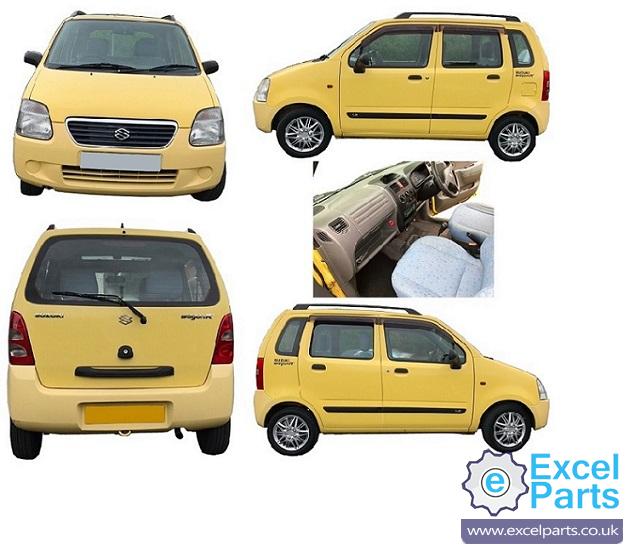
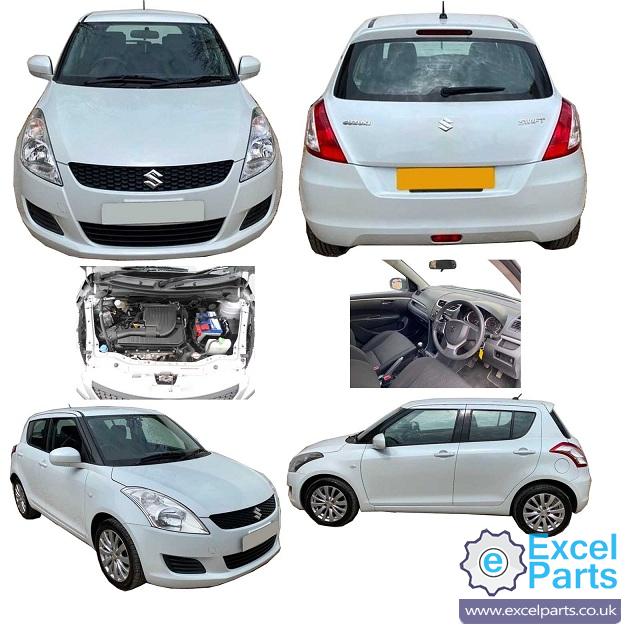
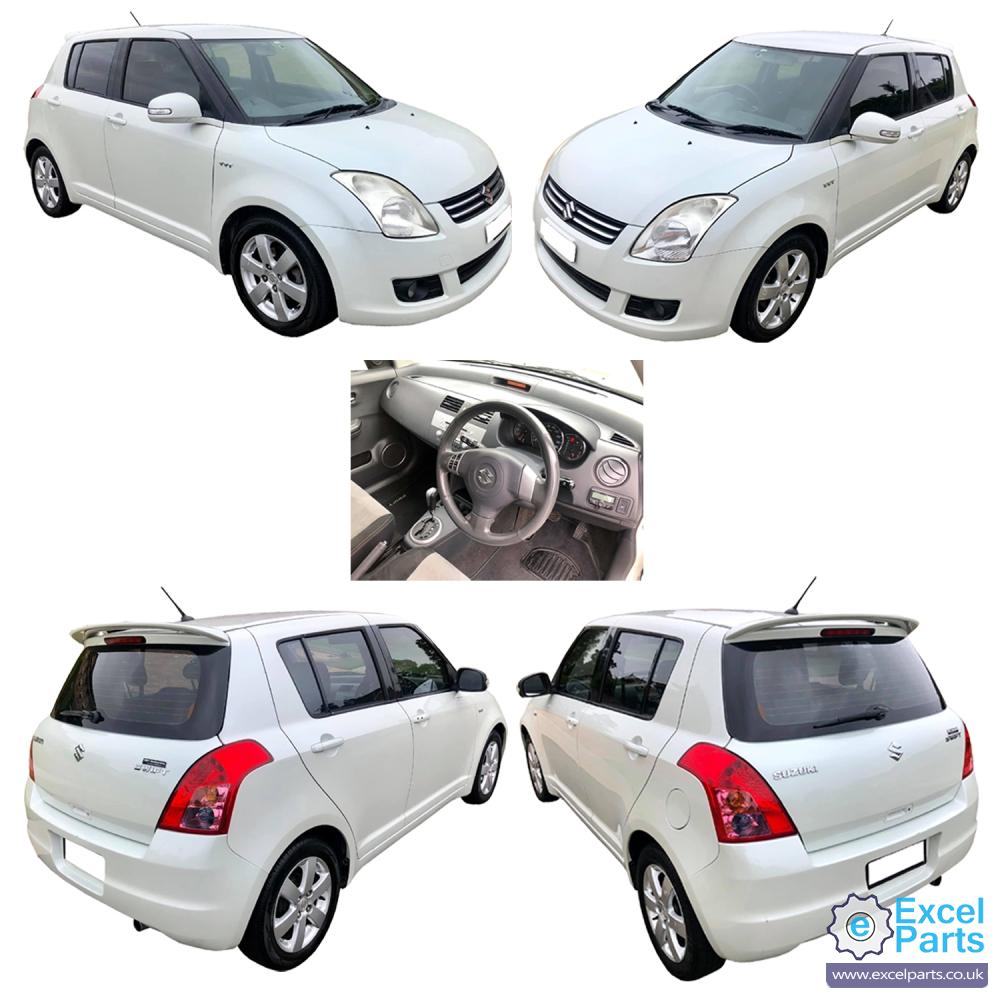
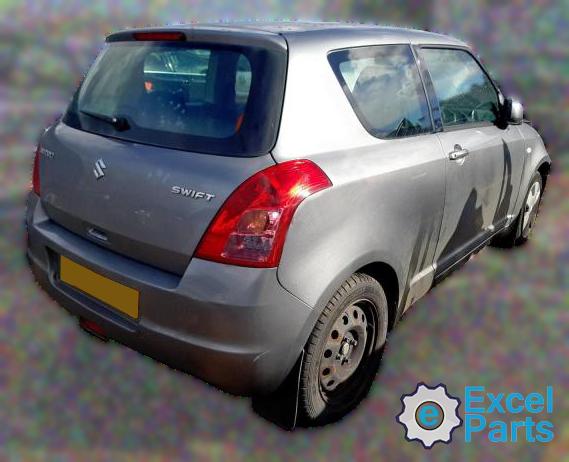
Suzuki Swift MK2 GL ZA11S RS413 10 Reg 91bph Wheel Nut X1 Breaking 1.3 i 1328 cc Petrol M13A 5 Speed Manual 3 Door Hatchback
THIS IS GENERAL LEVEL INFORMATION FOR THE PART, INFORMATION IMPLEMENTATION MAY VARY FROM CAR MAKE MODEL, REGION