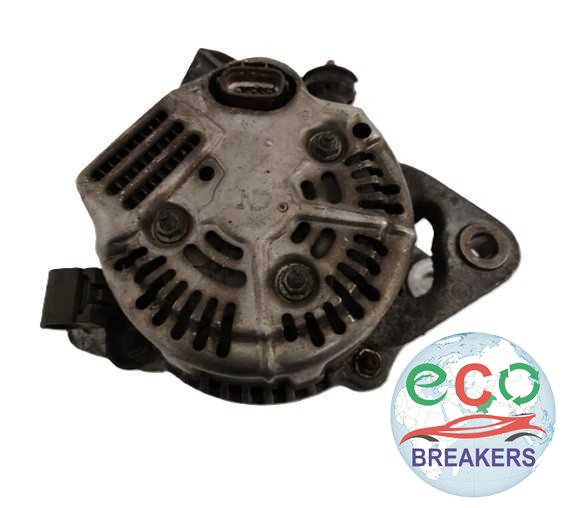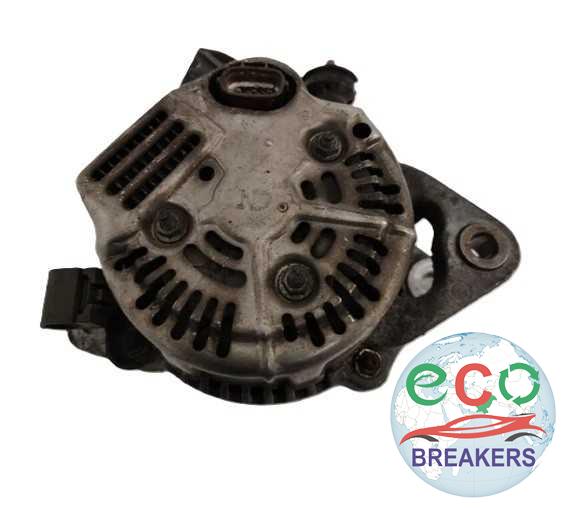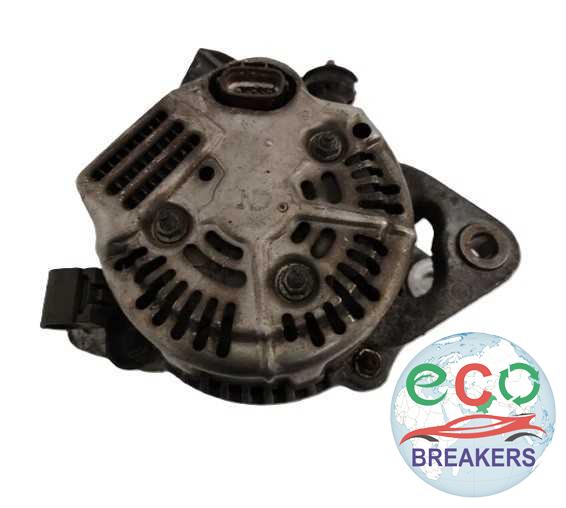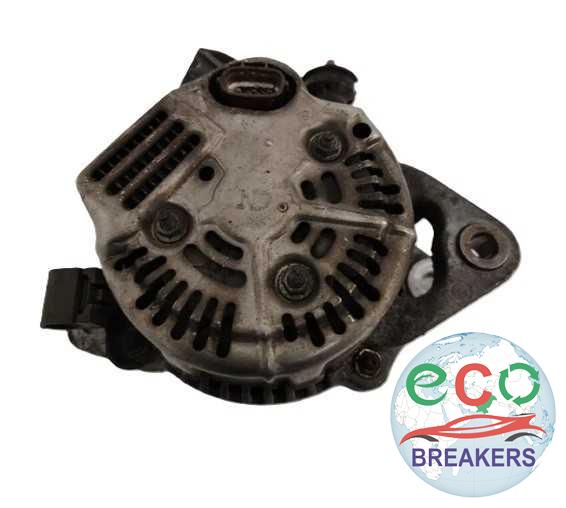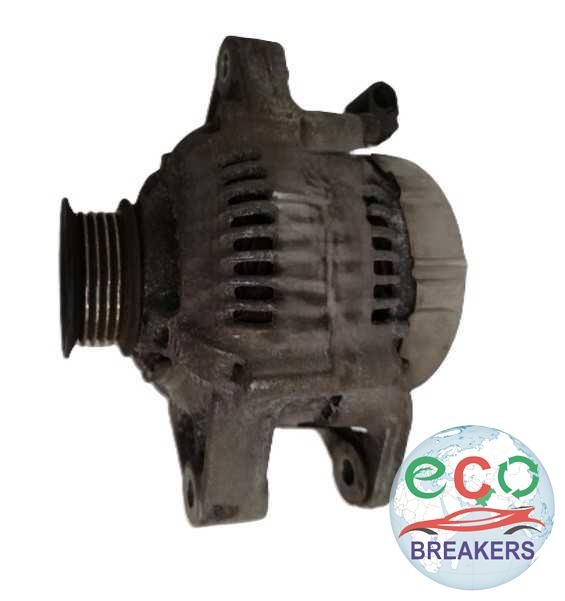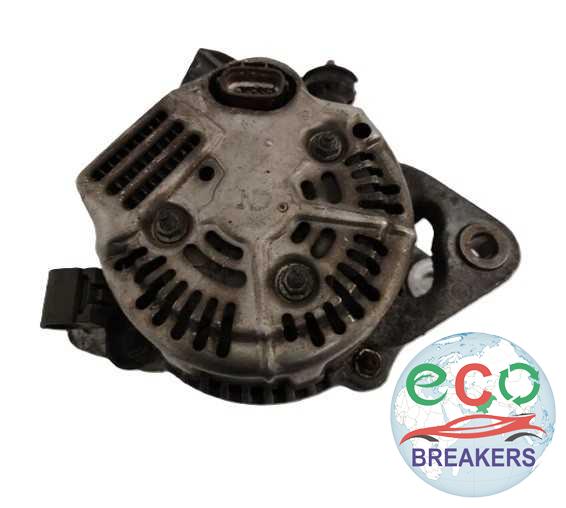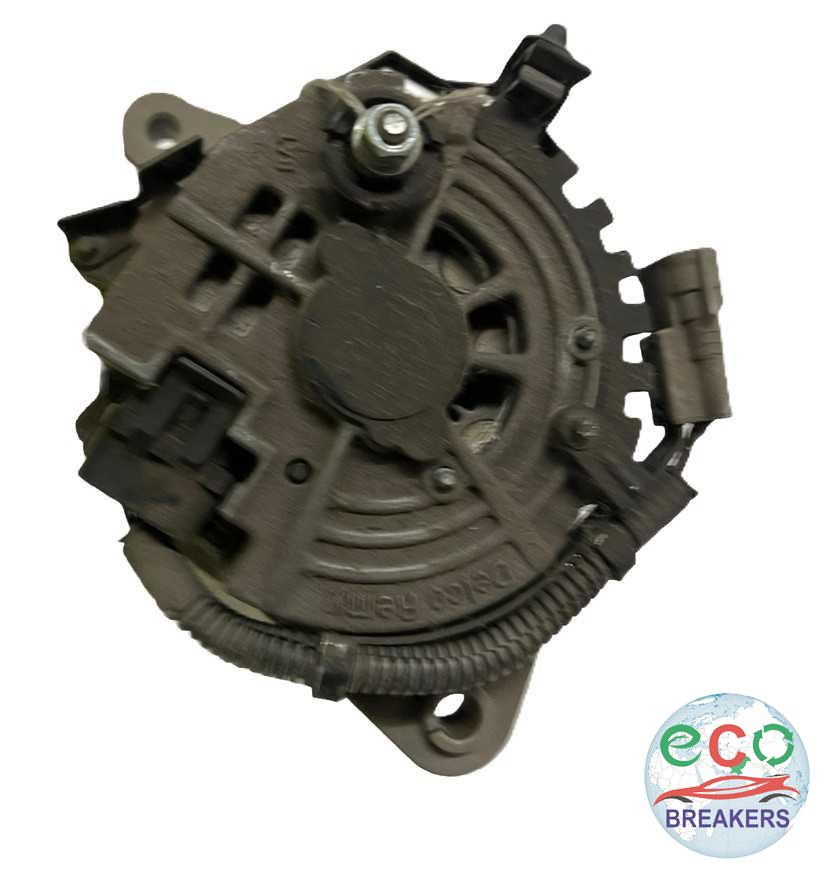
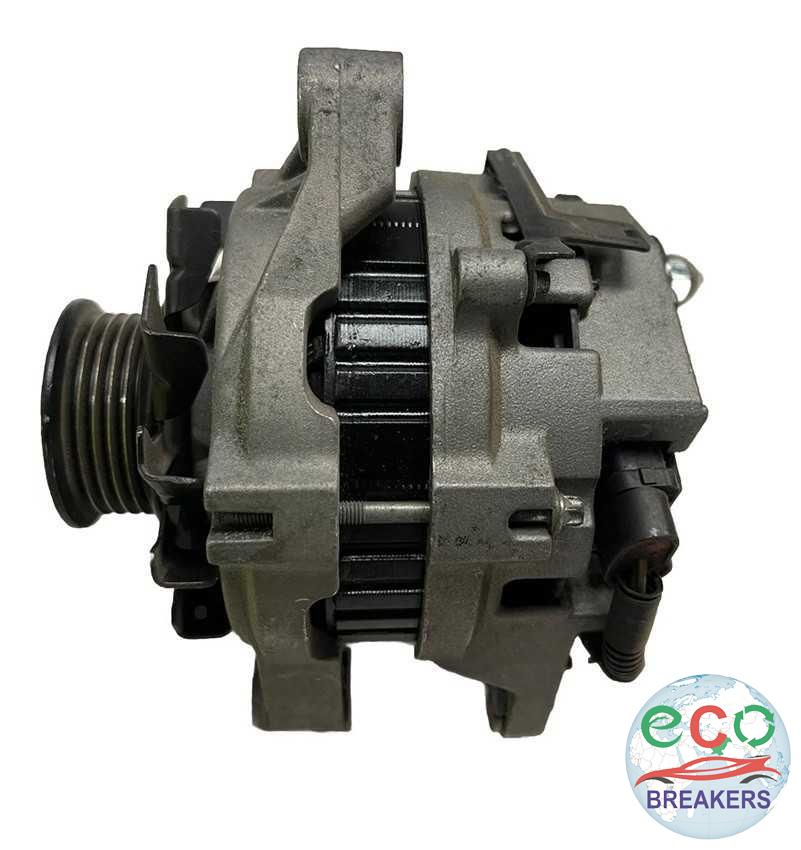
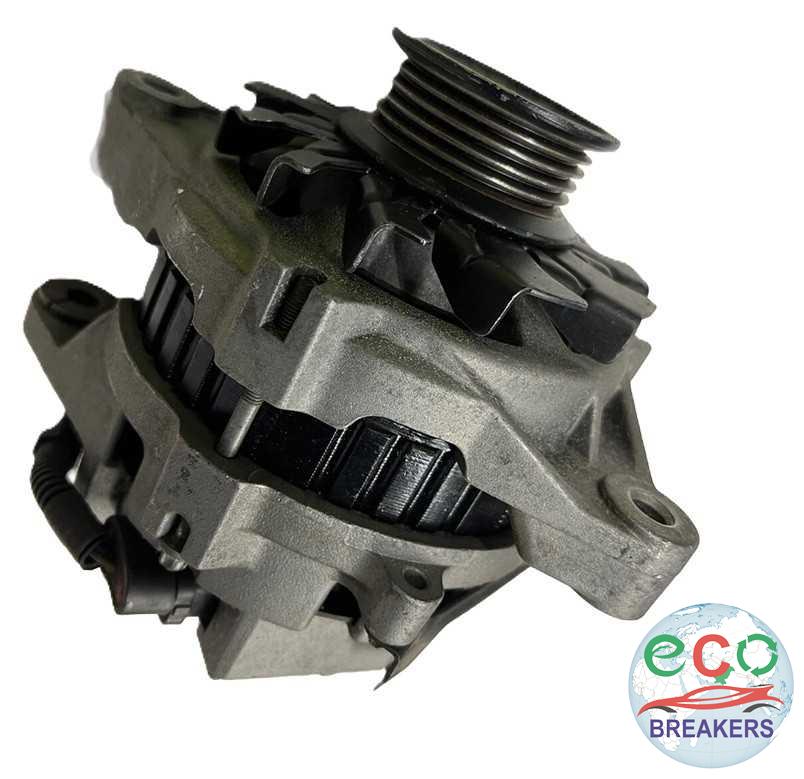
The alternator converts mechanical energy from the engine into electrical current to charge your battery and power the vehicle's electrical systems while running—without it, your battery drains and you lose all electrics within minutes. It's essentially your engine's power station, keeping everything from your headlights to your fuel pump fed with constant electrical supply as you drive.
On this Toyota Carina E, the alternator sits mounted on the engine block, typically on the side or front near the crankshaft pulley where the serpentine belt drives it. You'll find it bolted firmly to the engine to handle the vibration and heat, with the electrical connector facing outward for easy access.
A failing alternator shows itself through a dimming dashboard lights and headlights while driving, a flat battery despite a recent charge, or a whining noise from the engine bay that gets worse at idle. You might also see the battery warning light glowing on your dash, or notice your accessories cutting out sporadically.
A mechanic will first confirm the alternator is faulty using a multimeter to check its output voltage—a healthy alternator should deliver 13.5-14.5 volts at idle—then inspect the alternator's brushes and internal diodes for wear. If it's dead, the entire assembly comes off by removing two or three bolts and the serpentine belt, and replacement is the standard fix rather than field repair; internally it's usually not economical to rebuild on older vehicles.
Yes, alternators are commonly reconditioned by specialists who replace worn brushes, diodes, voltage regulators, and bearings to restore them to working order. A reconditioned alternator from a reputable supplier is typically a third of the cost of new and carries a solid warranty, making it a sensible choice for budget-conscious repairs.
A genuine used alternator from the same model and year is absolutely suitable and a popular choice—failure is usually age-related rather than design-flawed, so a low-mileage unit from a breaker can easily give another 50,000+ miles of service. Just make sure it matches the amp output exactly and check the connector type hasn't changed between model years.
You'll hear this part called a generator (old-school term), charging unit, or simply 'the alt' in the trade; some suppliers list it under charging system components or electrical generators depending on their catalog structure.
Disconnect the negative battery terminal before touching the alternator to avoid short circuits and electrical shock—this is non-negotiable. Make sure the serpentine belt is properly tensioned after fitting or it'll slip and fail to charge; also check that the electrical connector clicks firmly home or you'll get phantom charging faults that waste your time troubleshooting.
Toyota Carina E MK6 AT190R GLI J REG 106bph Alternator Assembly 1.6 i 1587 cc Petrol 4A-FE 4AFE 4 Speed Automatic 4 Door Saloon
Part Number(s): 2706015080, 27060-15080, 2706015140, 2706015090, 2706015100, 2706015120, 2706015130 - click a part number above to view and buy this exact part.
THIS IS GENERAL LEVEL INFORMATION FOR THE PART, INFORMATION IMPLEMENTATION MAY VARY FROM CAR MAKE MODEL, REGION