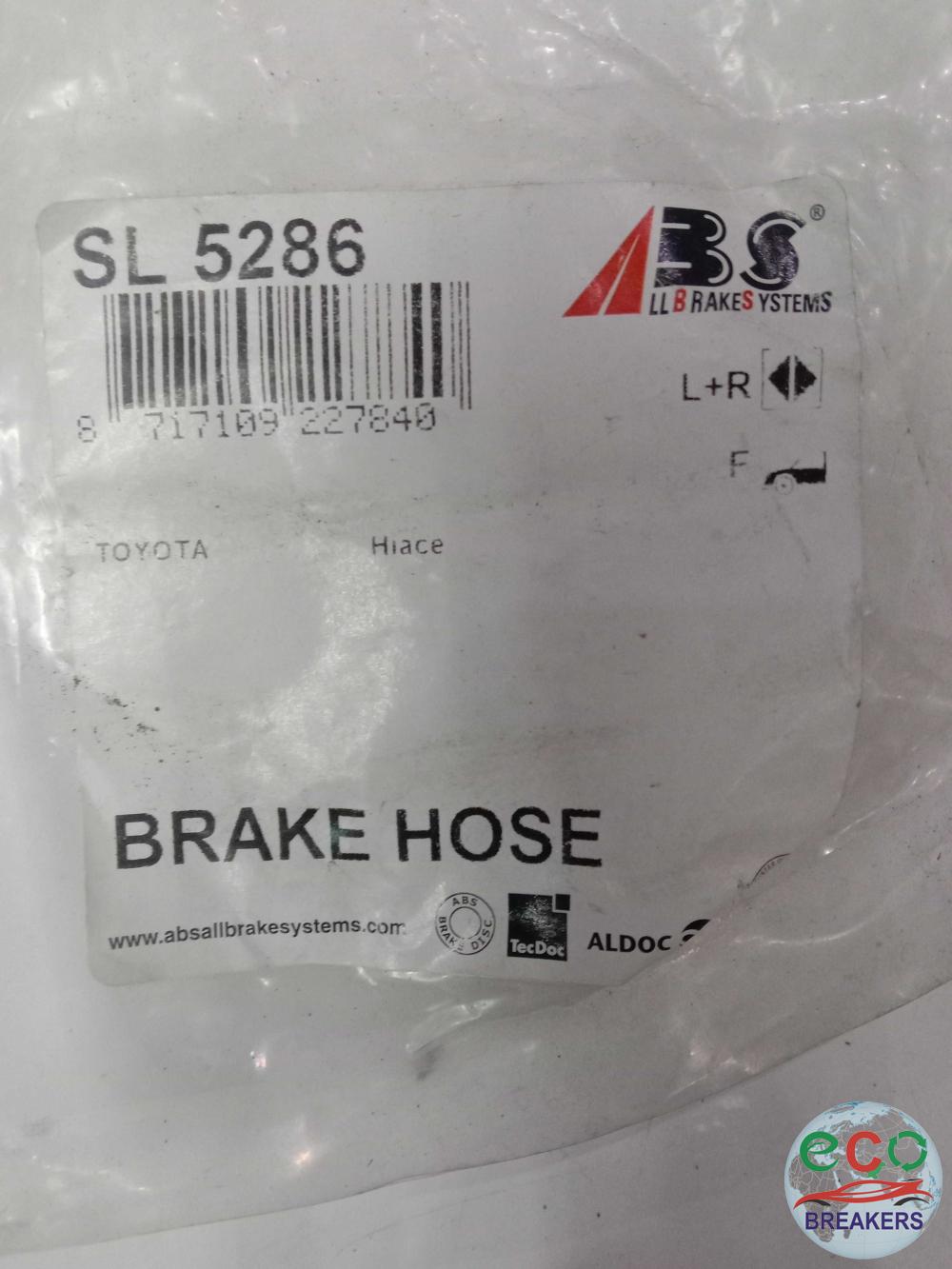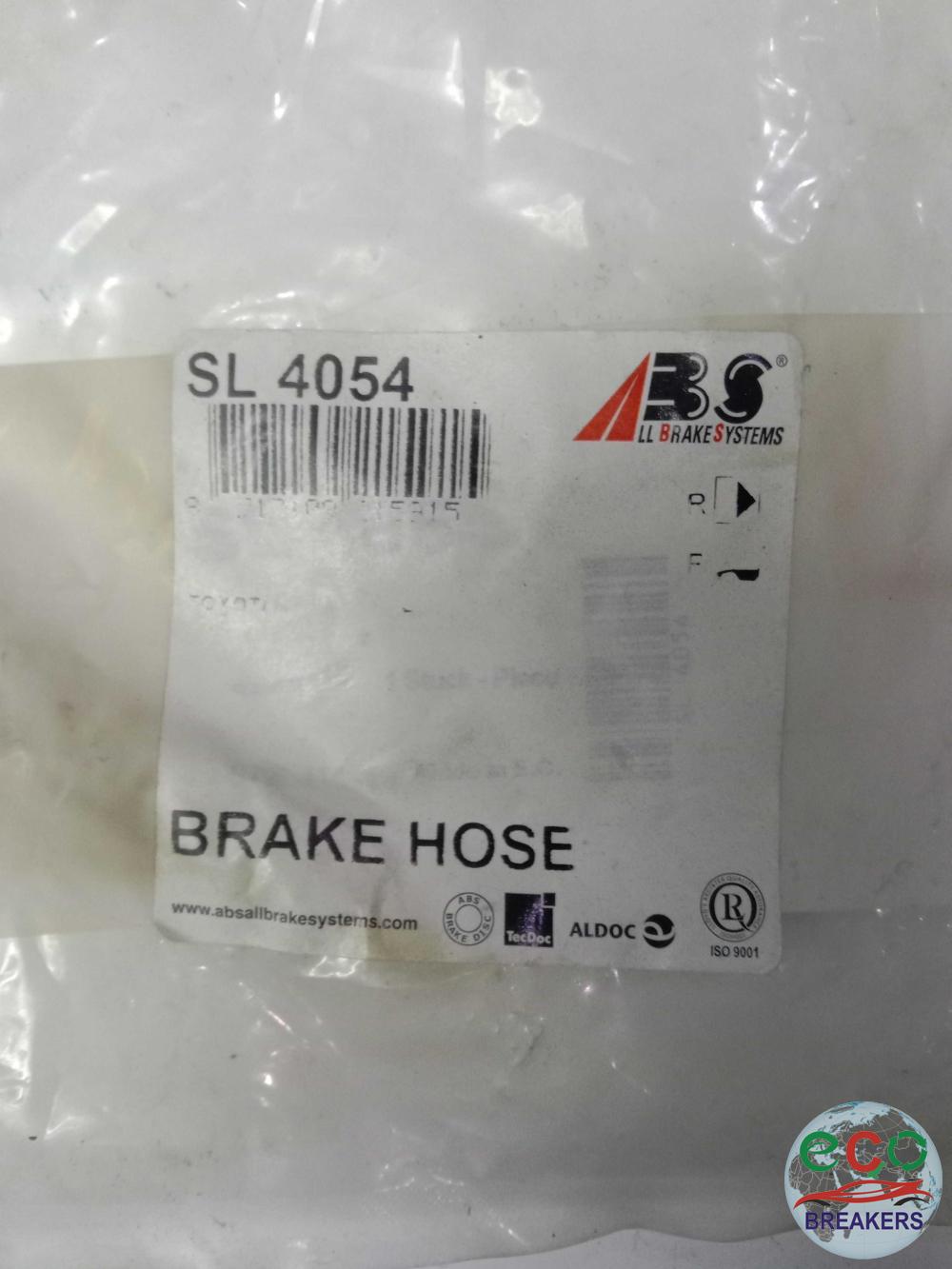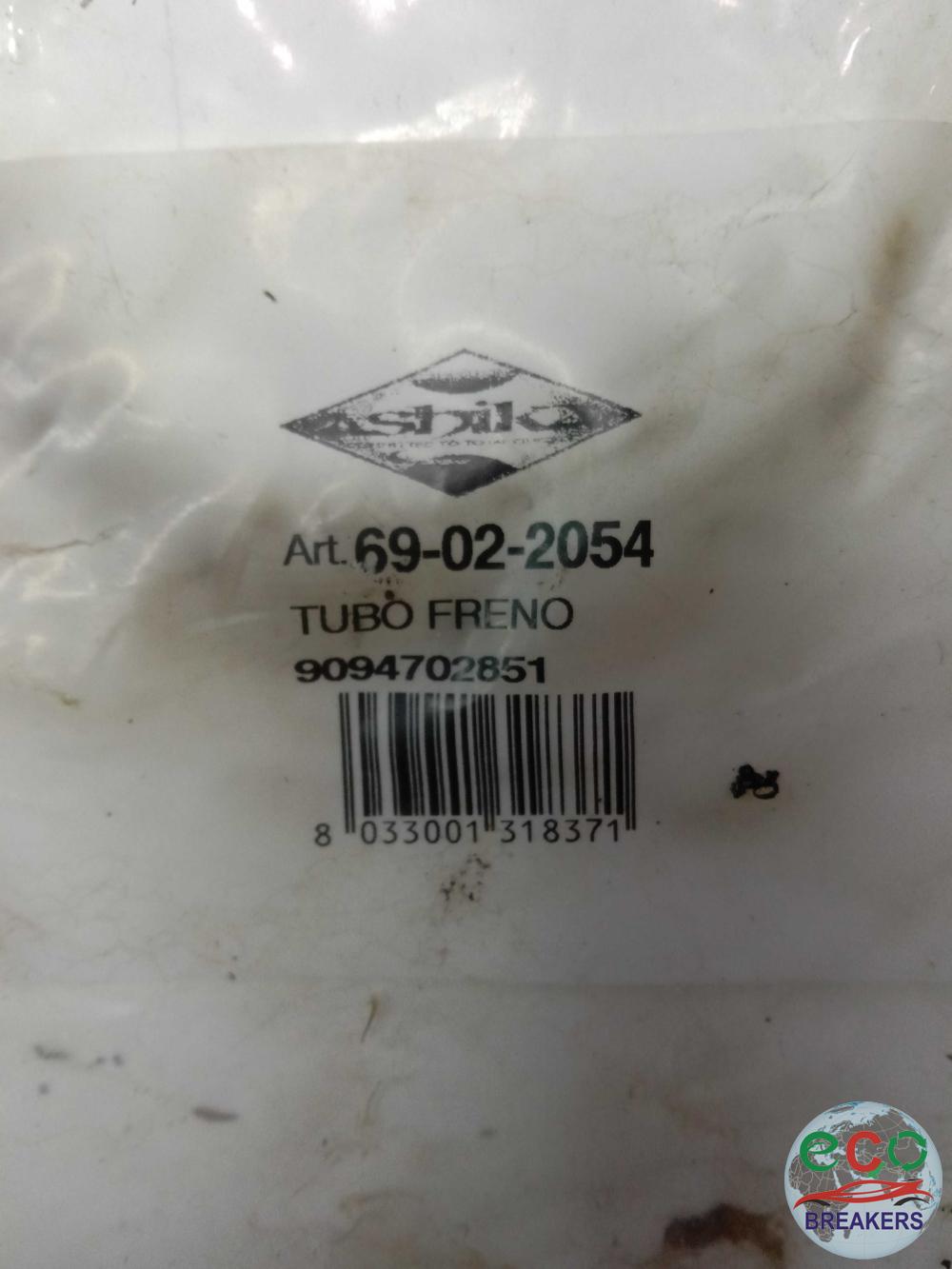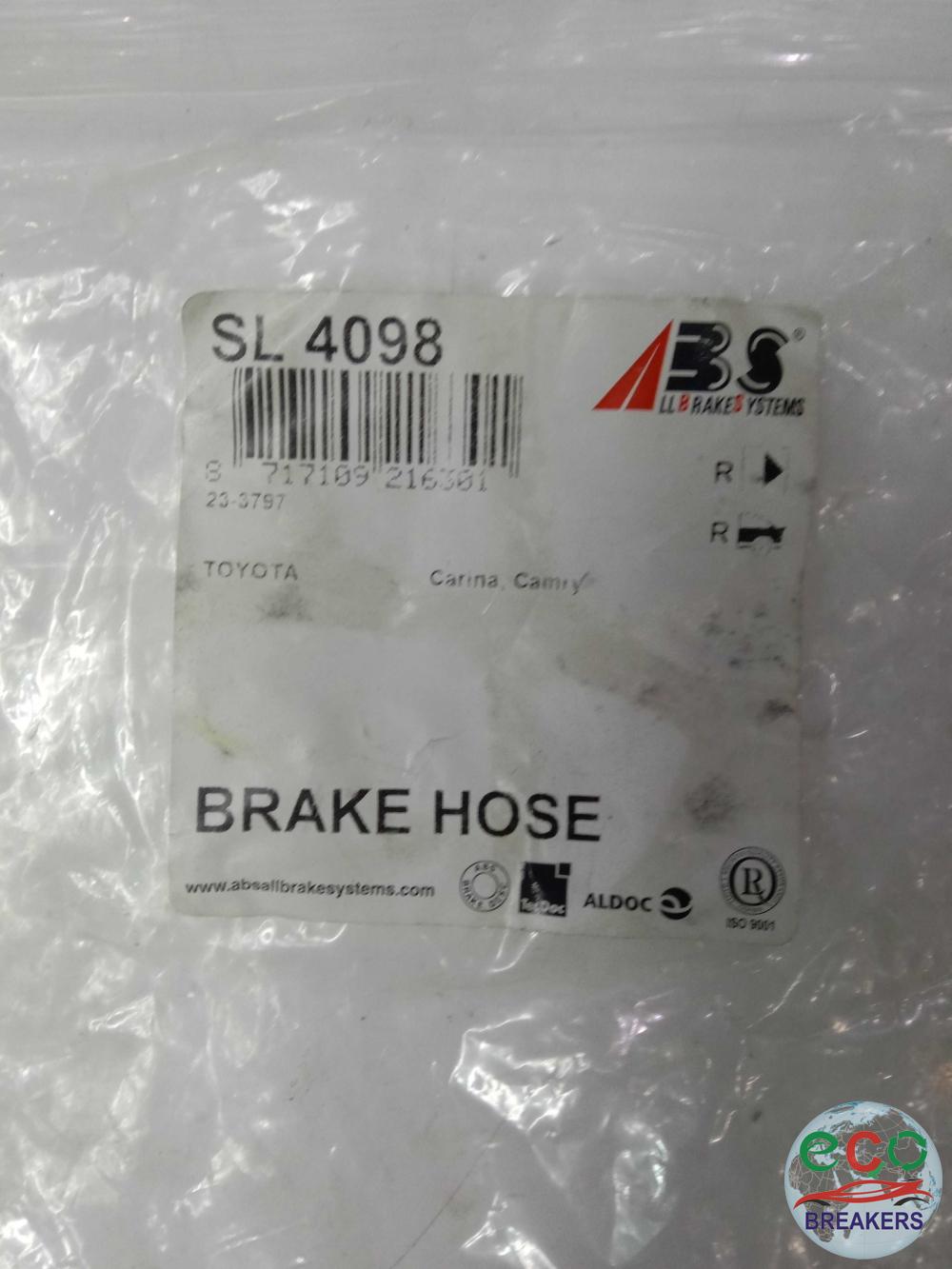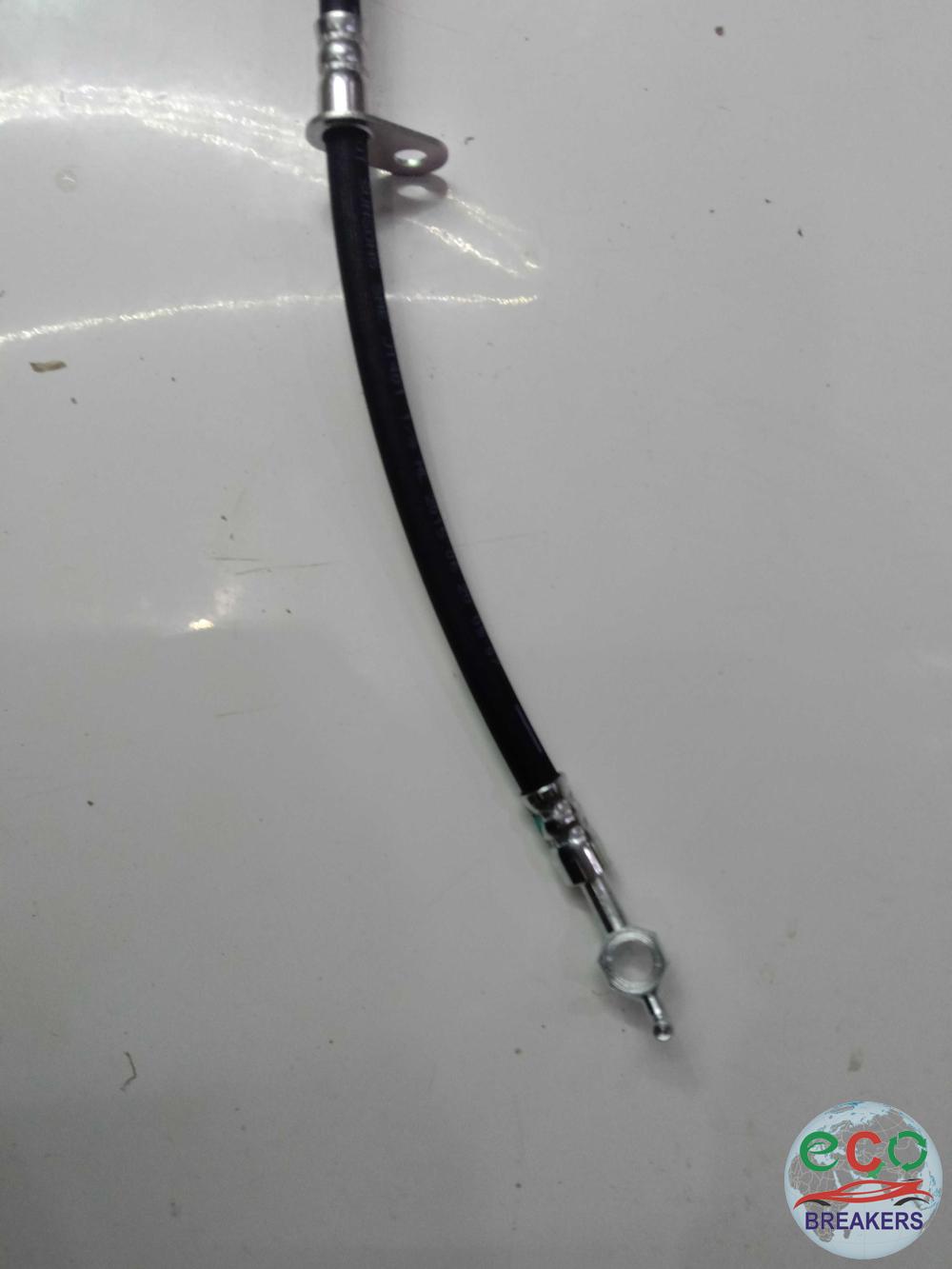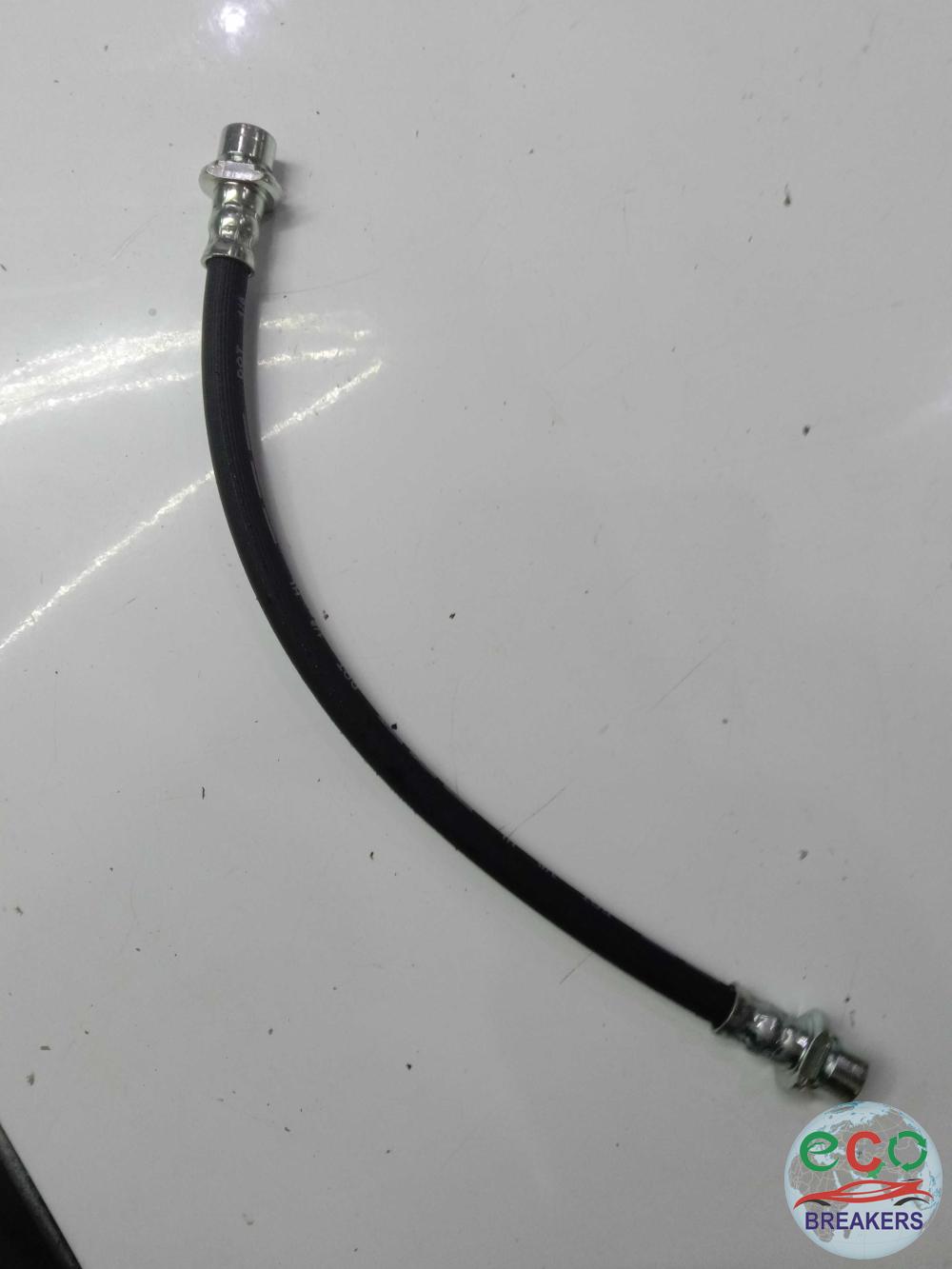
The brake hose is the flexible link between the rigid steel brake line bolted to the chassis and the wheel cylinder or caliper, which moves constantly with the suspension and steering. It carries pressurised brake fluid through every bump and turn, turning the force from your foot on the pedal into real clamping force at the wheel - without a sound one, that pressure has nowhere reliable to go.
On this Toyota Yaris Verso, the rear brake hose runs from a bracket on the rear subframe down to the wheel cylinder at the rear wheel, held at each end by a spring clip or retaining bracket so it can flex freely without chafing against anything else in the wheel arch.
The outer rubber cracks and perishes with age and road grime, eventually letting fluid weep out at the joint. A less obvious fault is internal: the lining can bulge or collapse without any visible external damage - a bulge gives a soft, spongy pedal, while a collapsed lining acts like a one-way valve and drags the brake, making that wheel run hot even with your foot off the pedal.
A mechanic clamps off the rigid brake line first to limit fluid loss, then disconnects the union at both ends of the hose and removes it. The new hose goes in with fresh copper sealing washers at each joint - reusing old washers is a common cause of a fitting that looks tight but still weeps - and the system is then bled to clear any air that got into the lines during the swap.
No. A brake hose is a sealed, safety-critical hydraulic component - once the internal lining or outer rubber has started to perish, there's no way to inspect or repair it that restores real confidence in it. Replacement is the only accepted fix, not reconditioning.
Generally not recommended. Unlike a lot of mechanical parts, rubber brake hoses perish with age rather than mileage - a low-mileage hose from a 15-year-old car can still be close to the end of its safe life even though it looks fine from the outside. Most fitters and MOT guidance treat this as a wear item to replace outright rather than reuse from another vehicle.
You'll hear this called a brake flexi, flexi hose, or flexible brake pipe in the trade - all the same part, just different shorthand depending on who you're talking to.
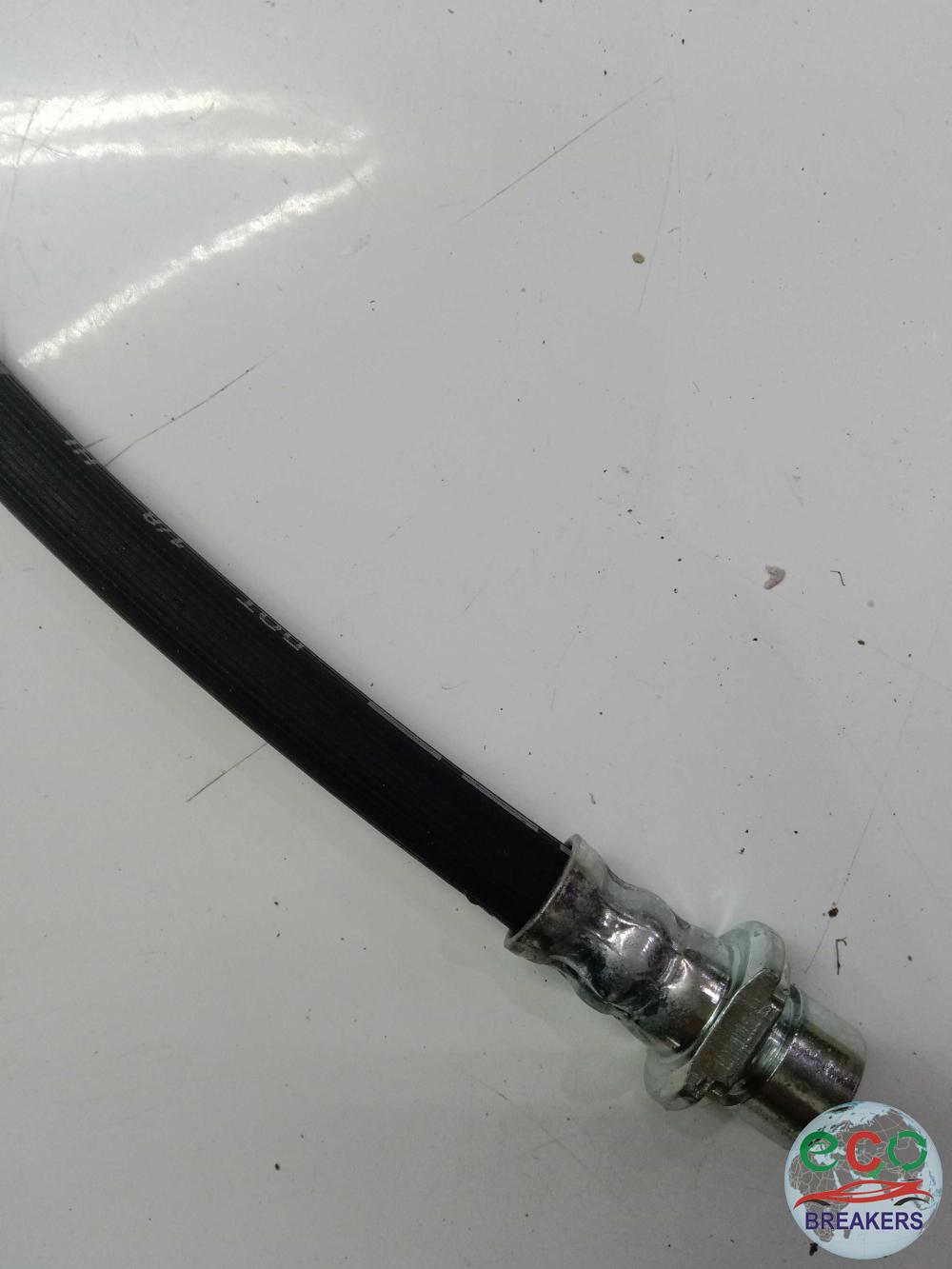
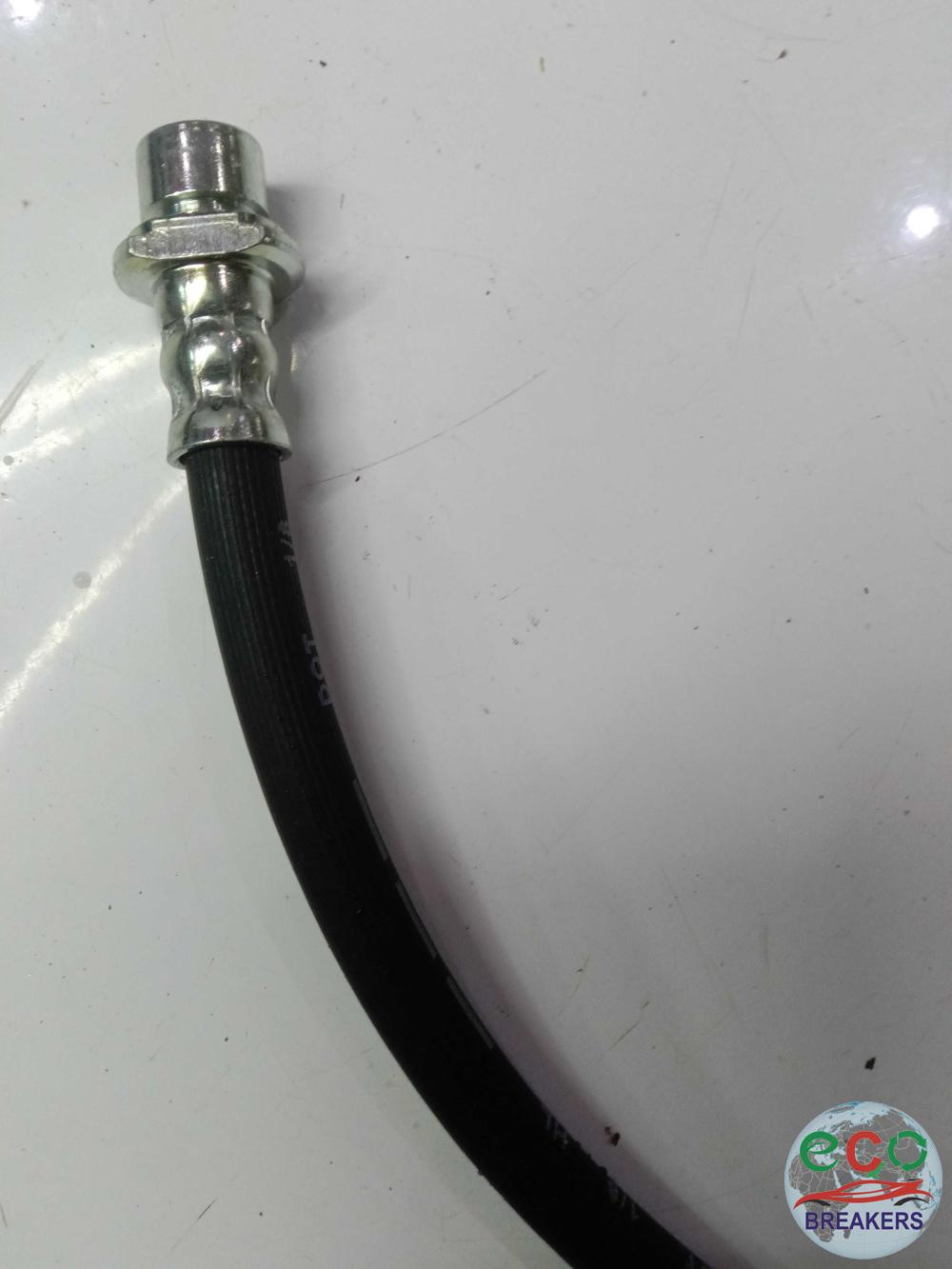
Worth knowing before you fit this: on several Toyota Yaris-family applications, the manufacturer used two different connector seats at the hose end that aren't interchangeable - one with a recessed (concave) female seat, the other with a raised (convex) one. They look similar at a glance, but the wrong pairing won't form a proper hydraulic seal even if the hose bolts up fine, so it's worth checking which type your original hose actually has before assuming any Yaris-fit hose will do. Beyond that, always fit new copper sealing washers rather than reusing the old ones, and bleed the system fully afterwards - trapped air is the most common cause of a spongy pedal after a hose replacement that was otherwise done correctly.
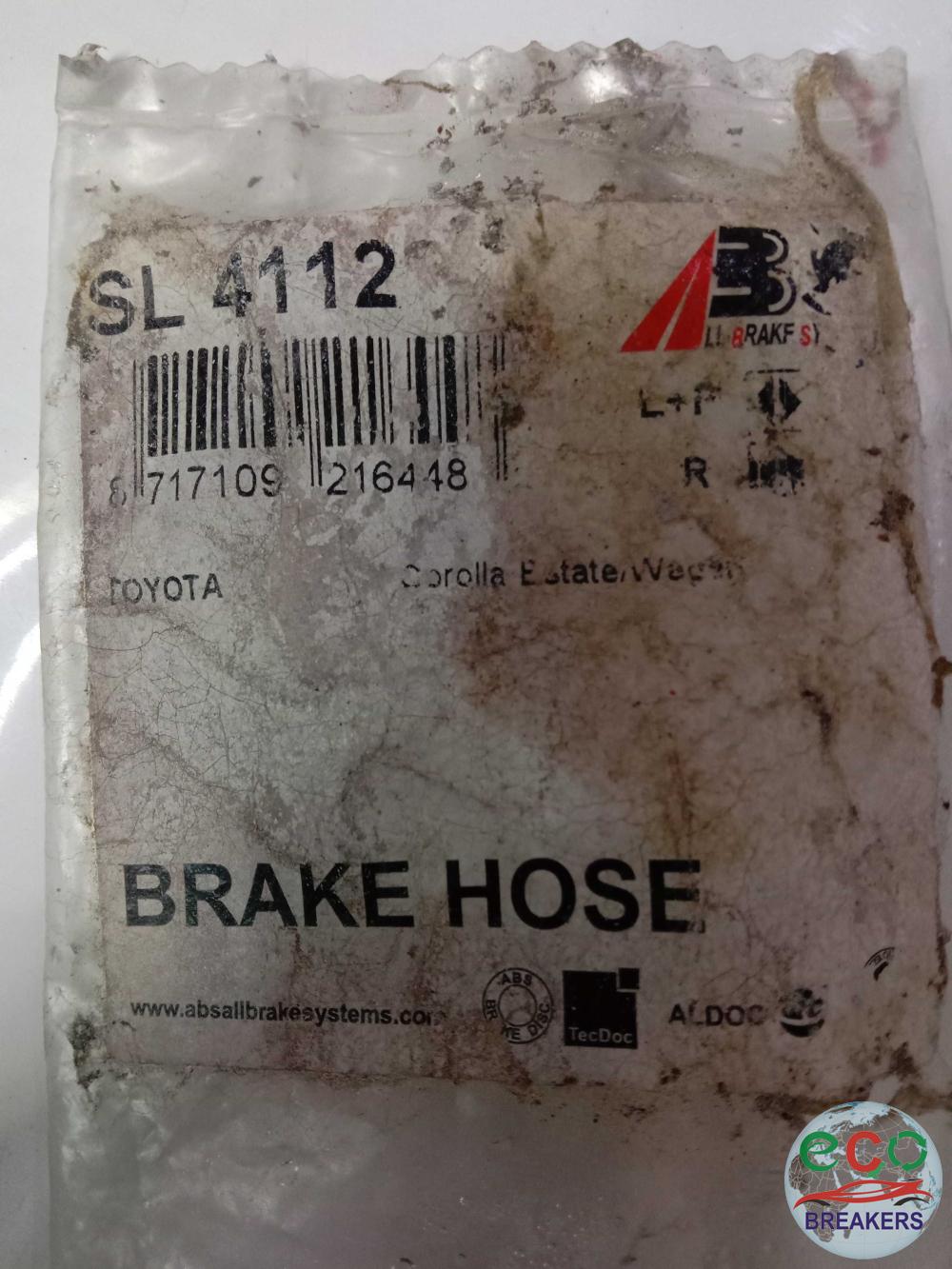
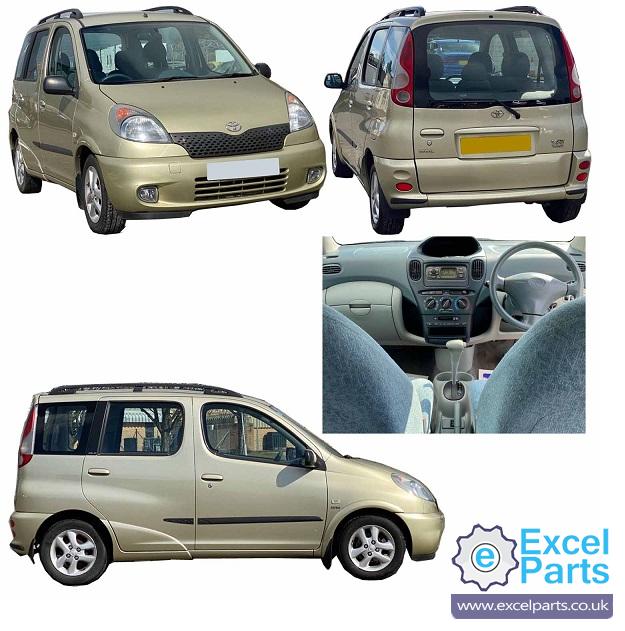
Toyota Yaris Verso MK1 NCP20R Brake Hose Right Rear 1.3 1299 cc Petrol 2NZ-FE / 2NZFE 1999 - 2002 4 ATM 5 Door Estate
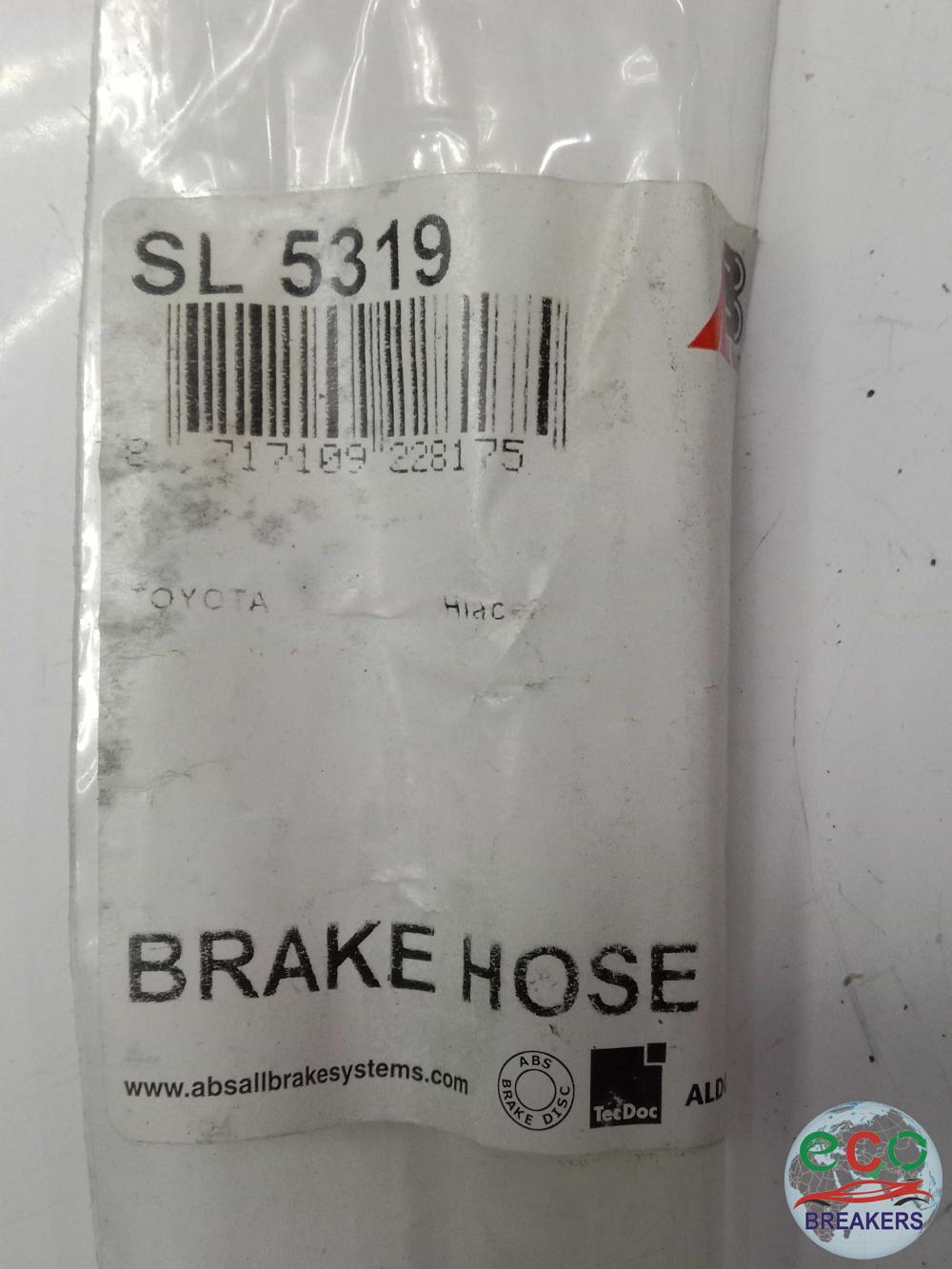
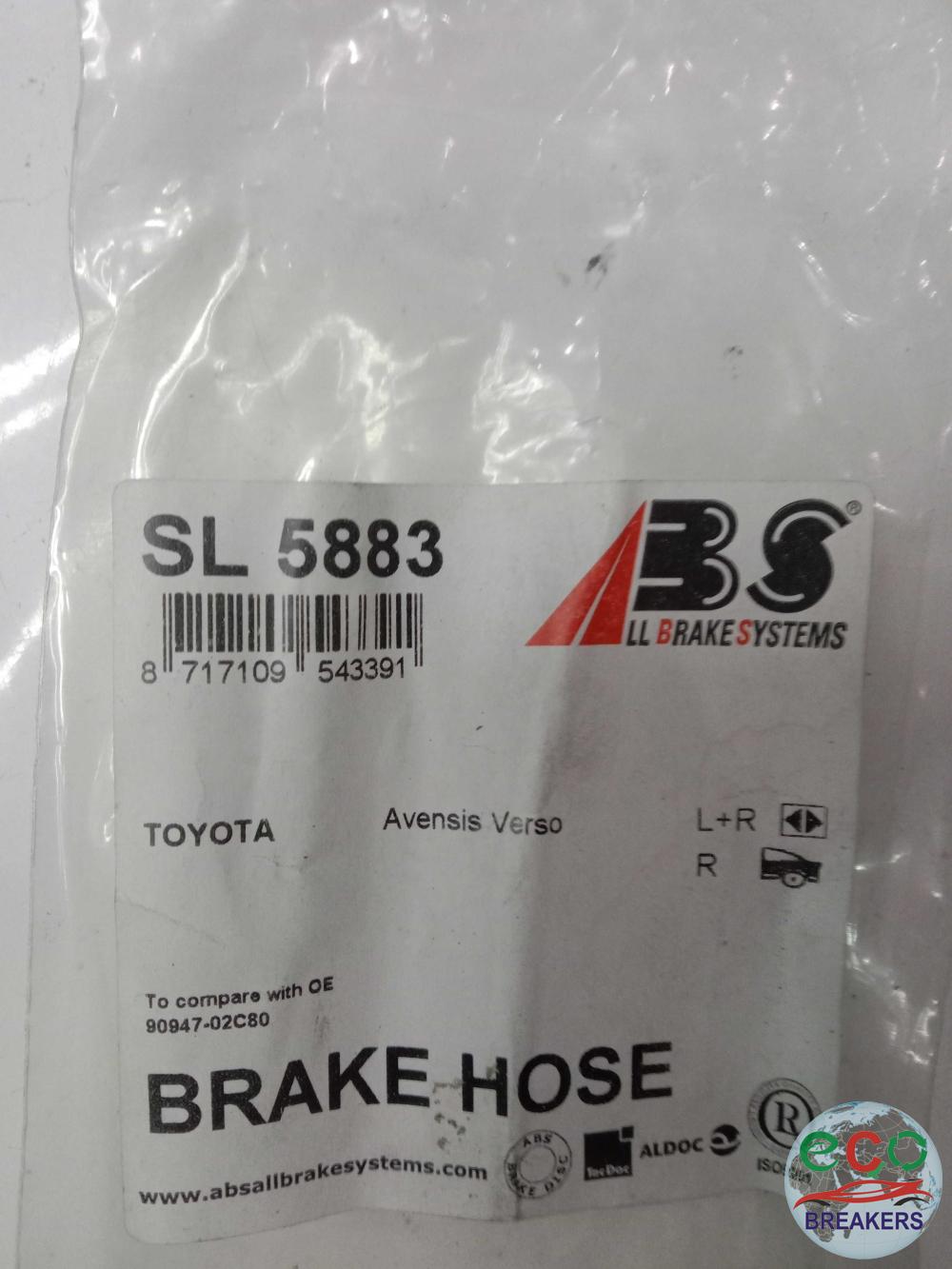
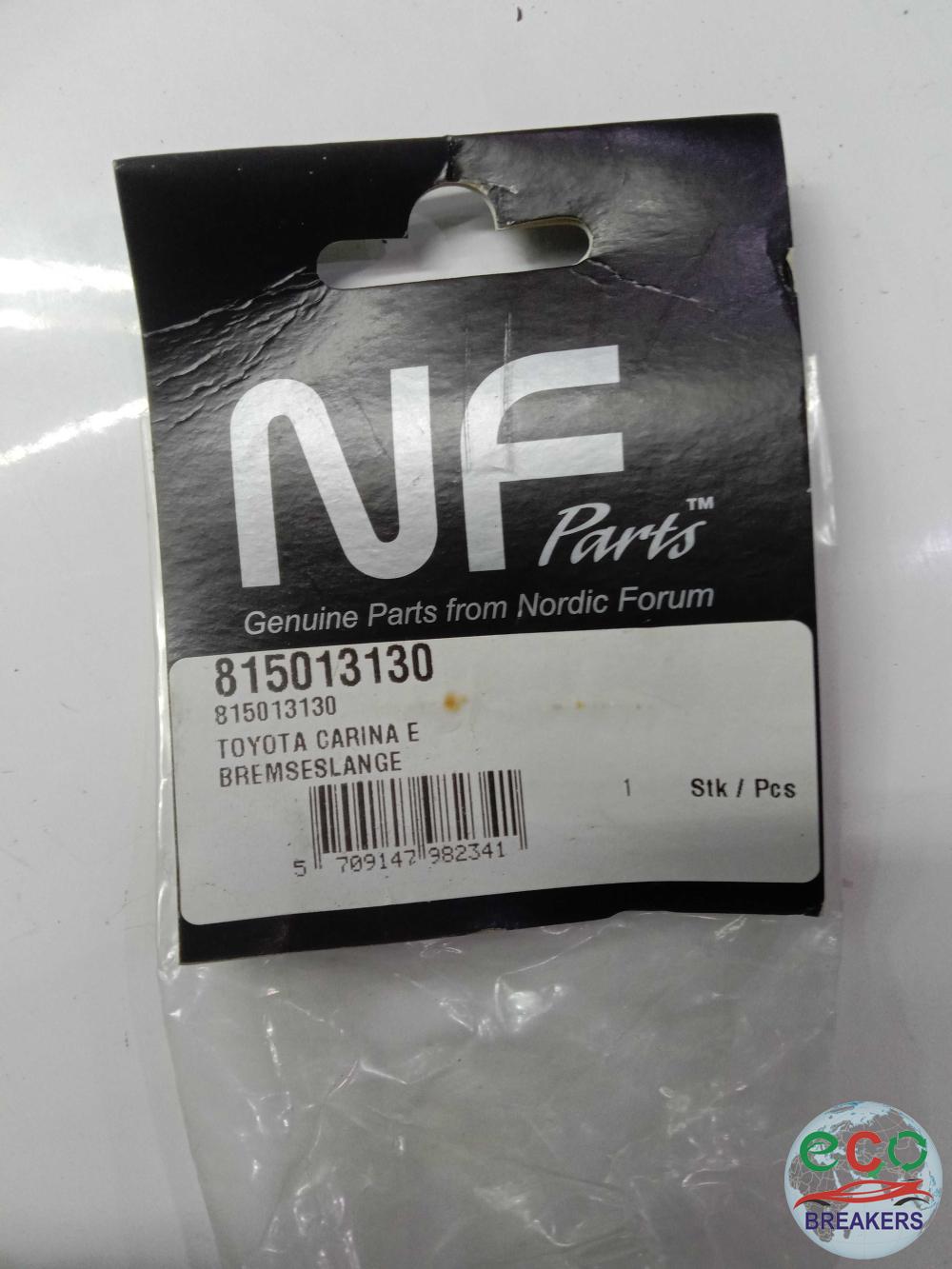
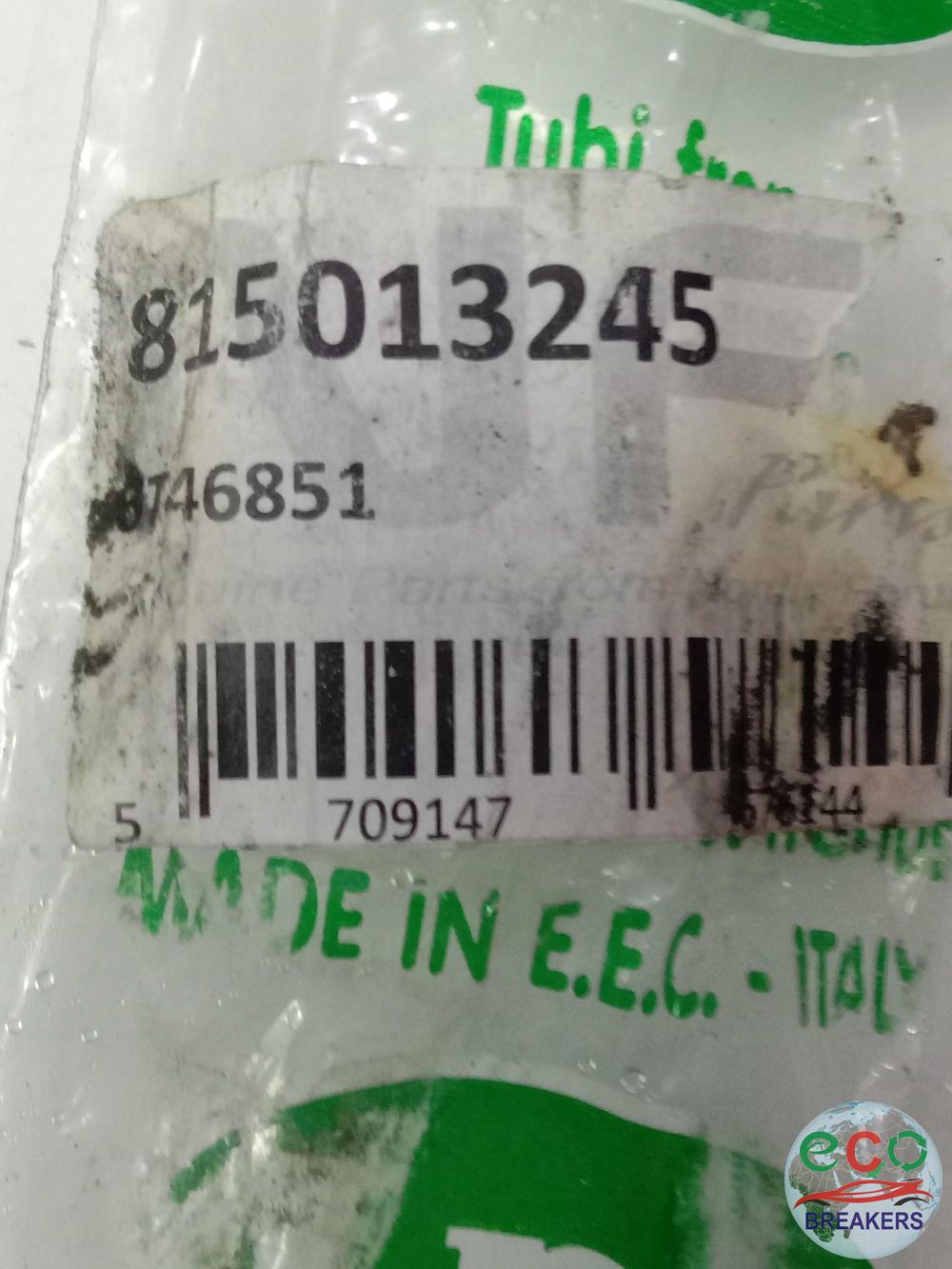
Part Number(s): 815013245, 6T46851, 9094702C30, 90947-02C30, 5709147576144 - click a part number above to view and buy this exact part.