Clutch Problems Explained: Slipping, Dragging, Shuddering and Noises - Causes and Fixes
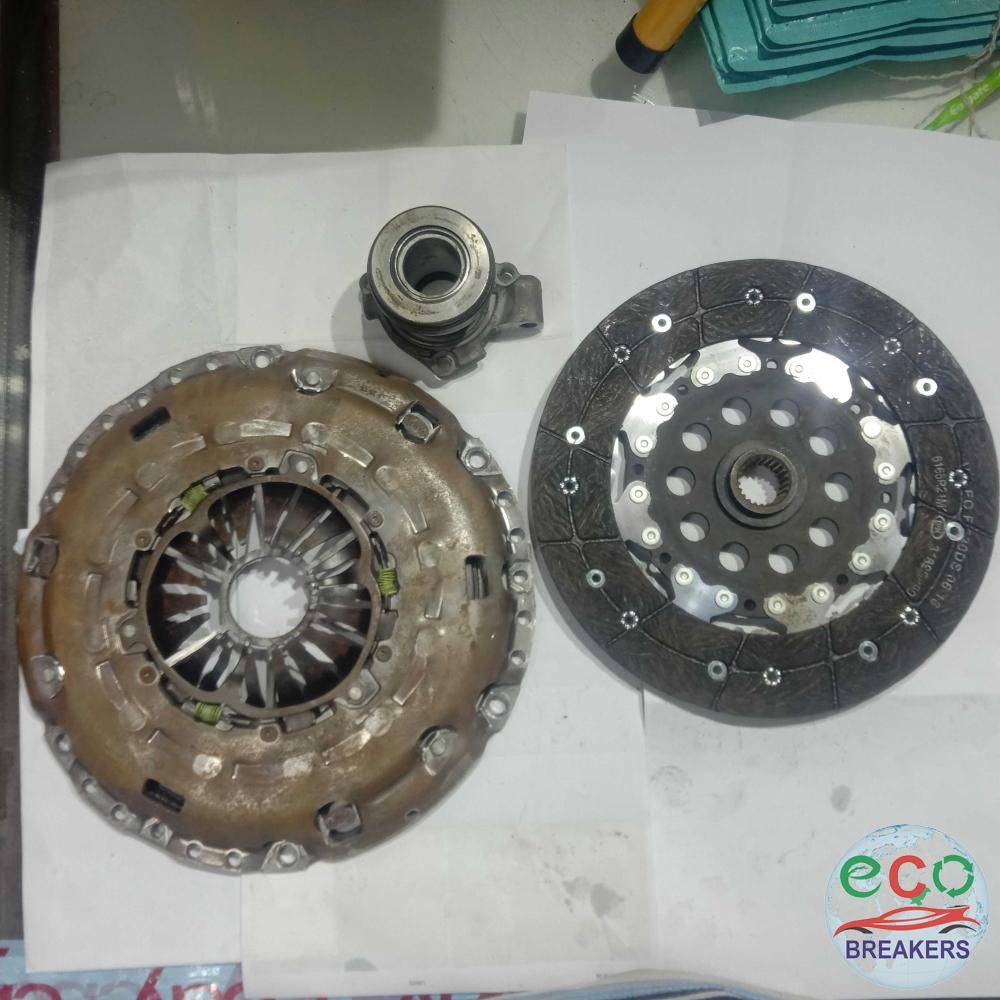
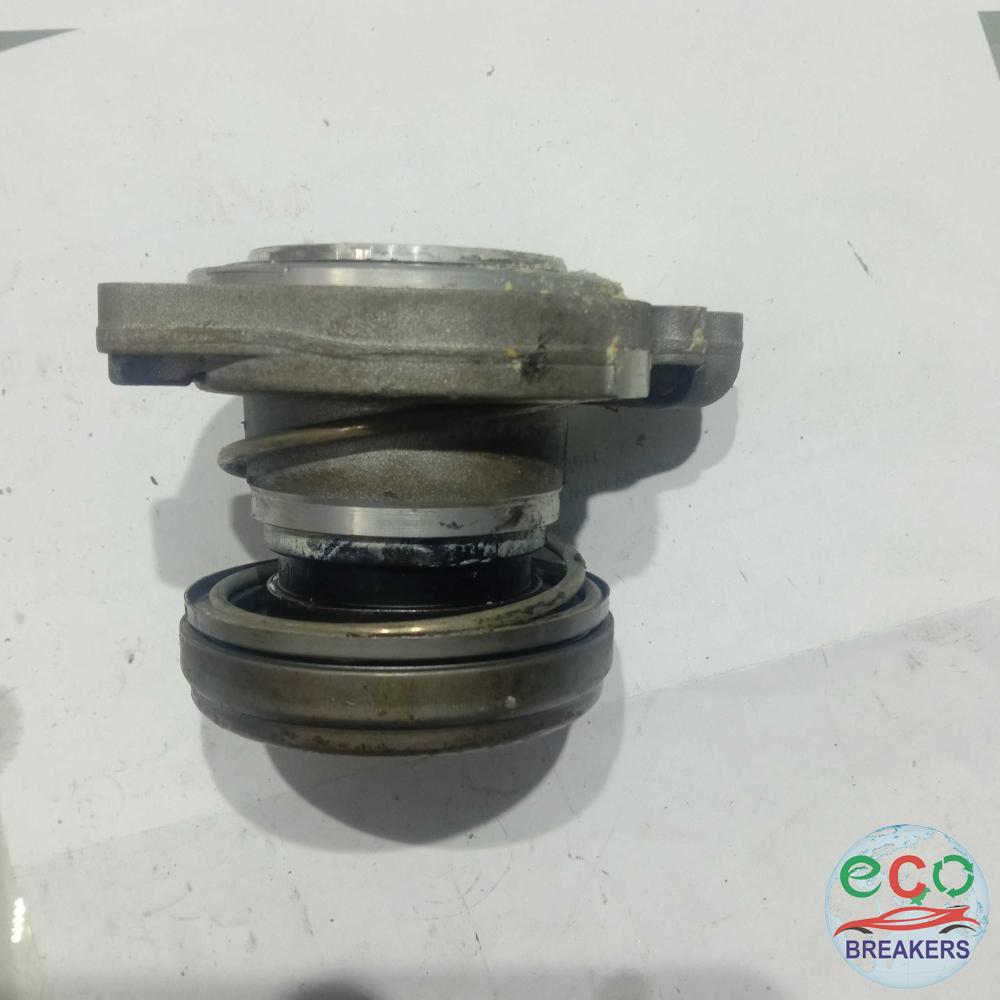
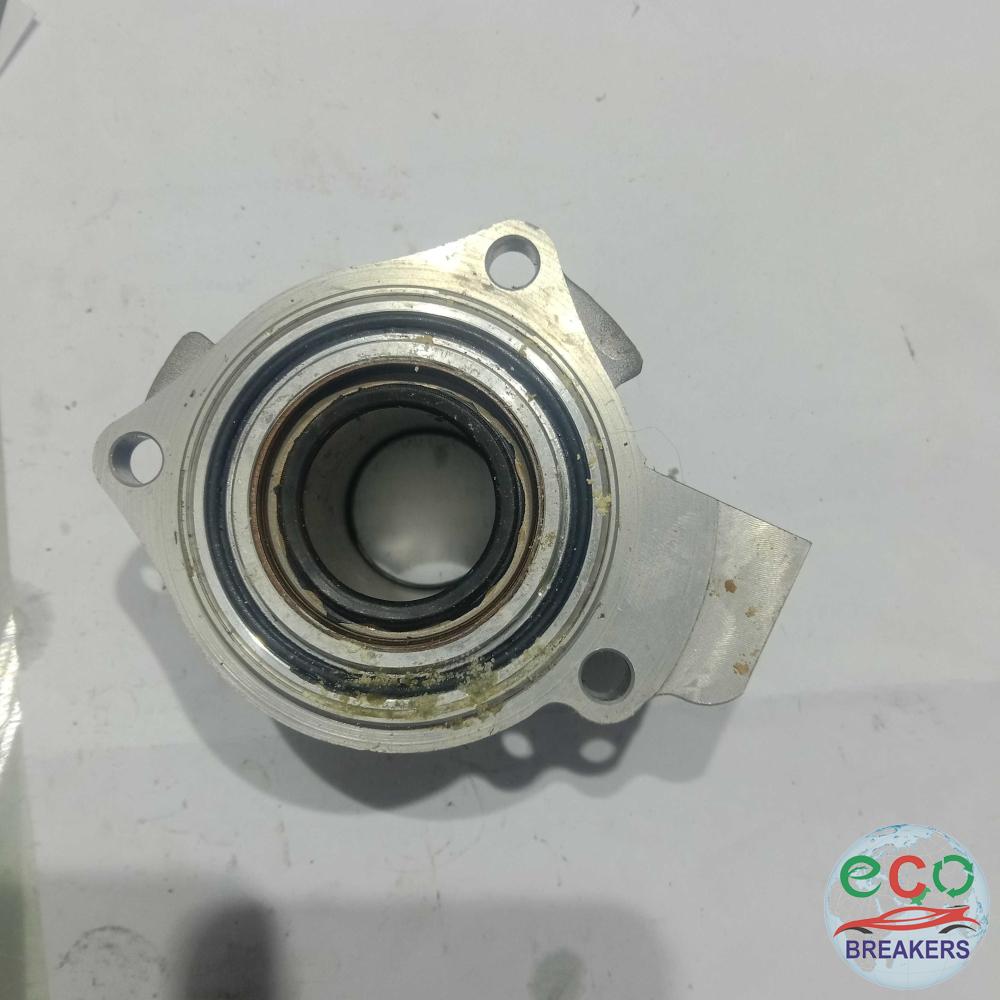
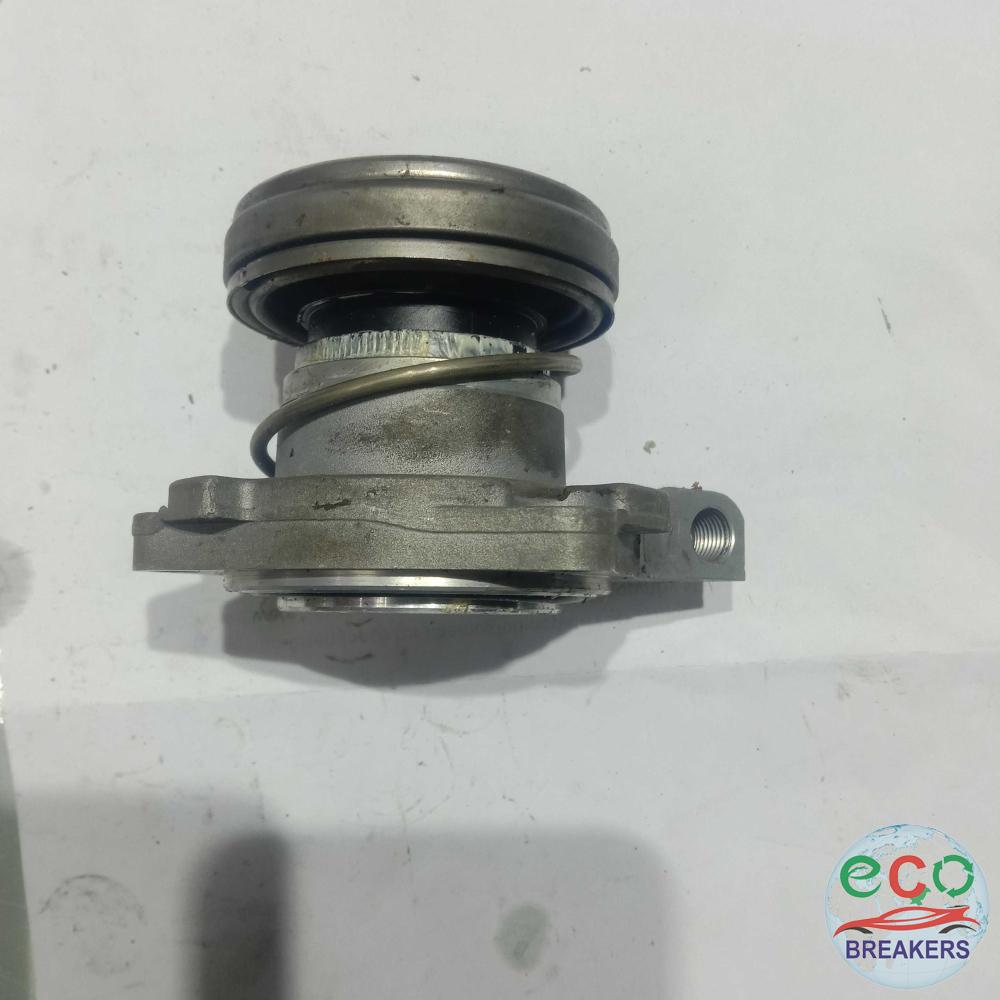
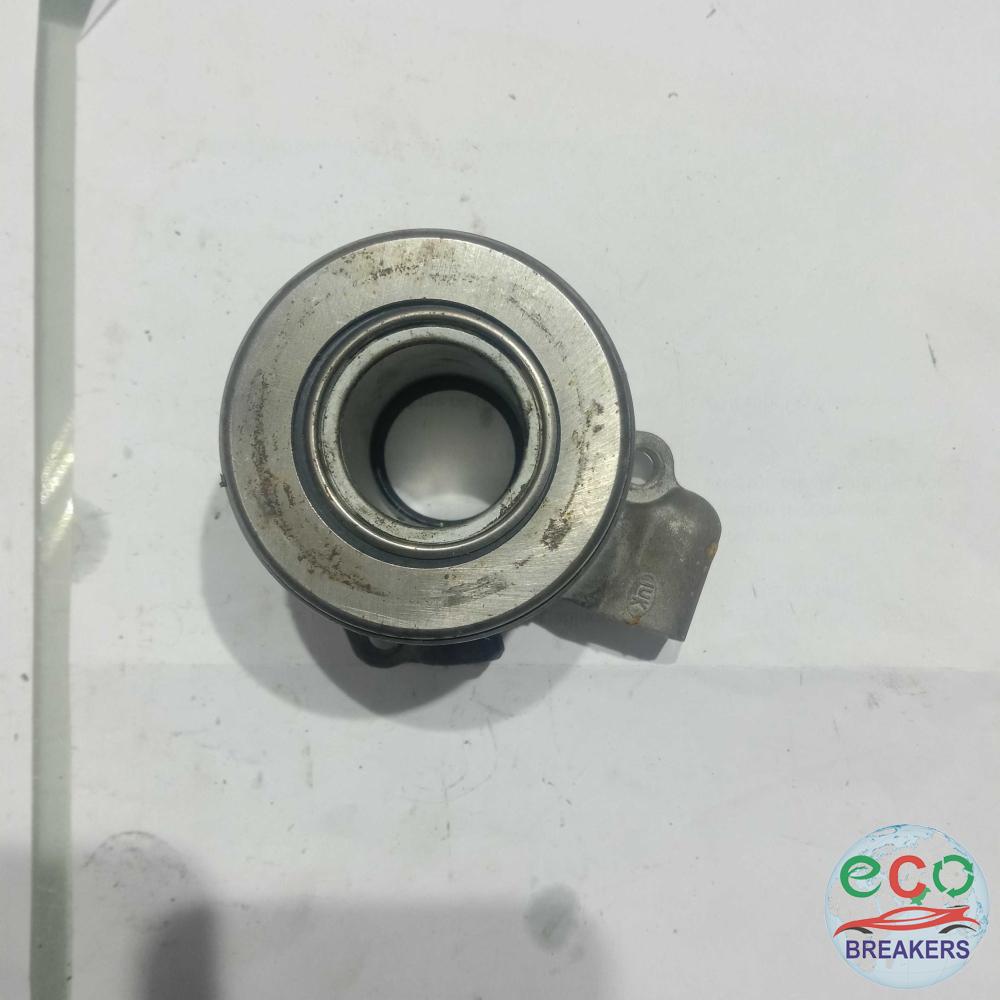
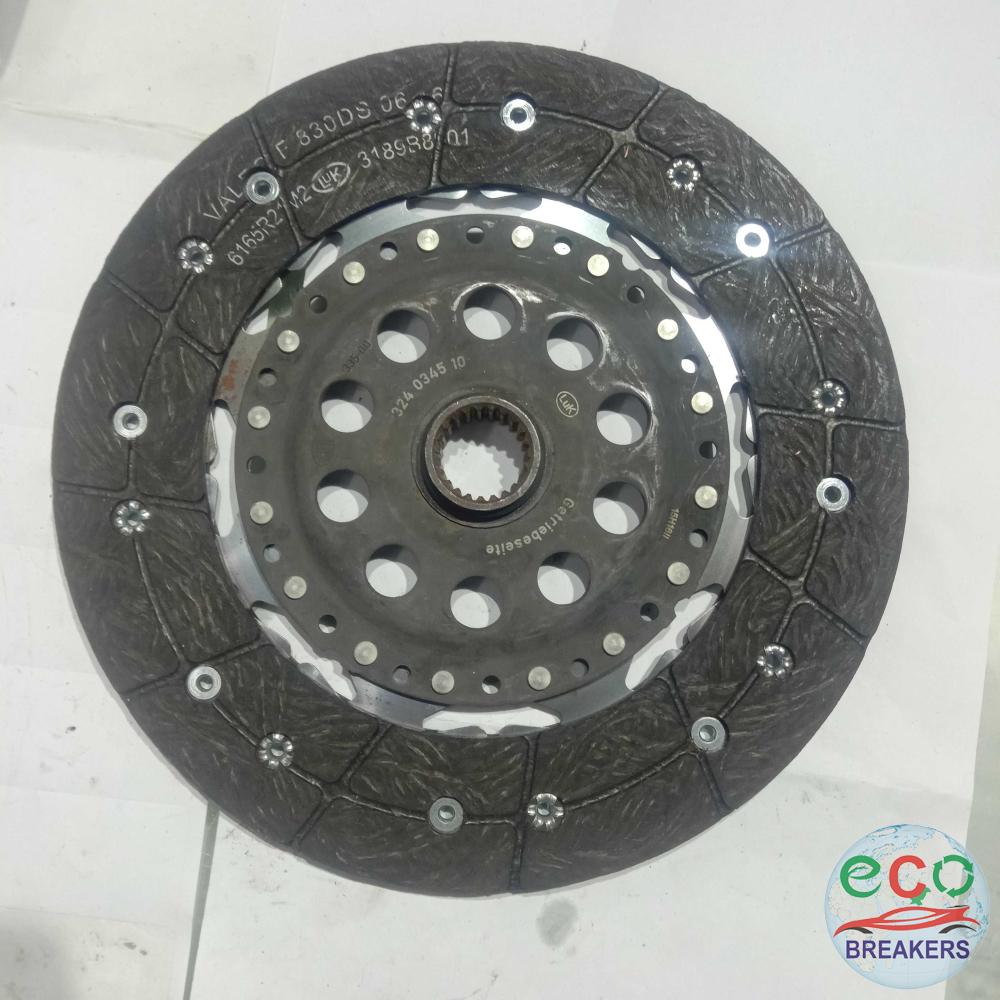
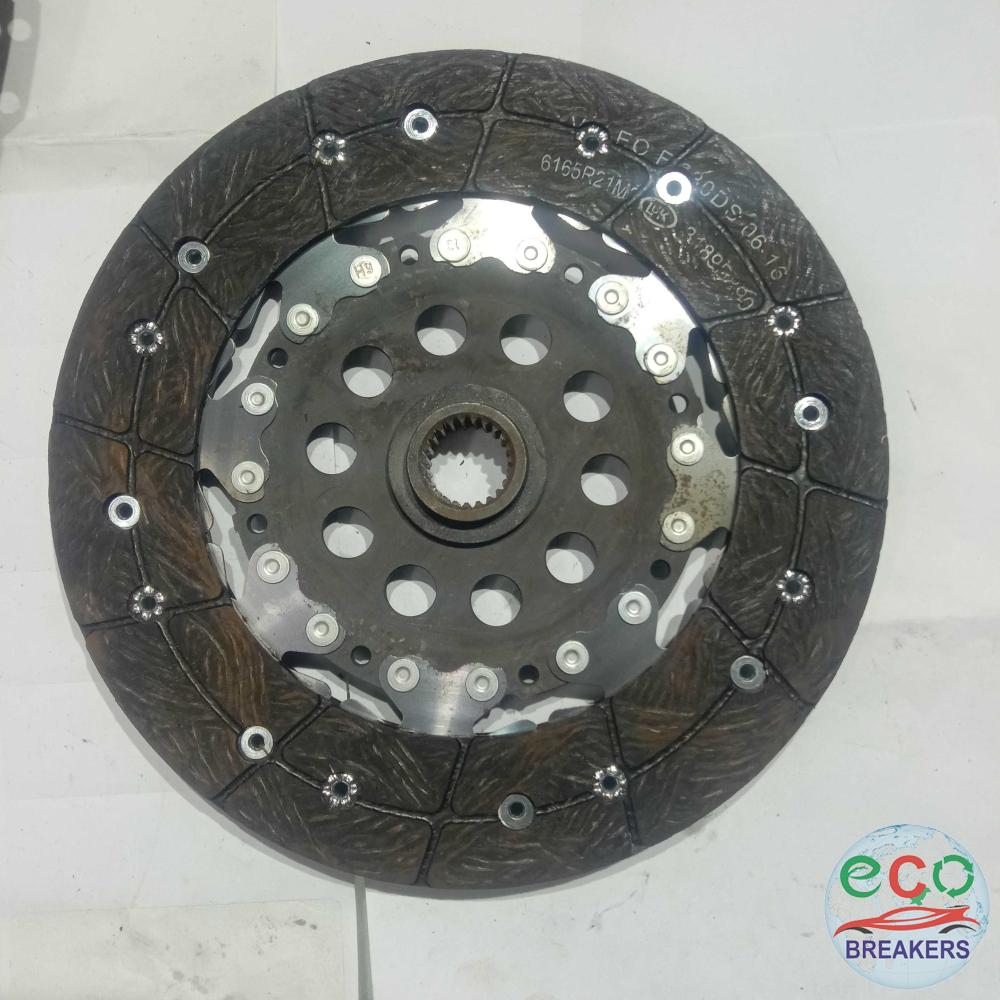
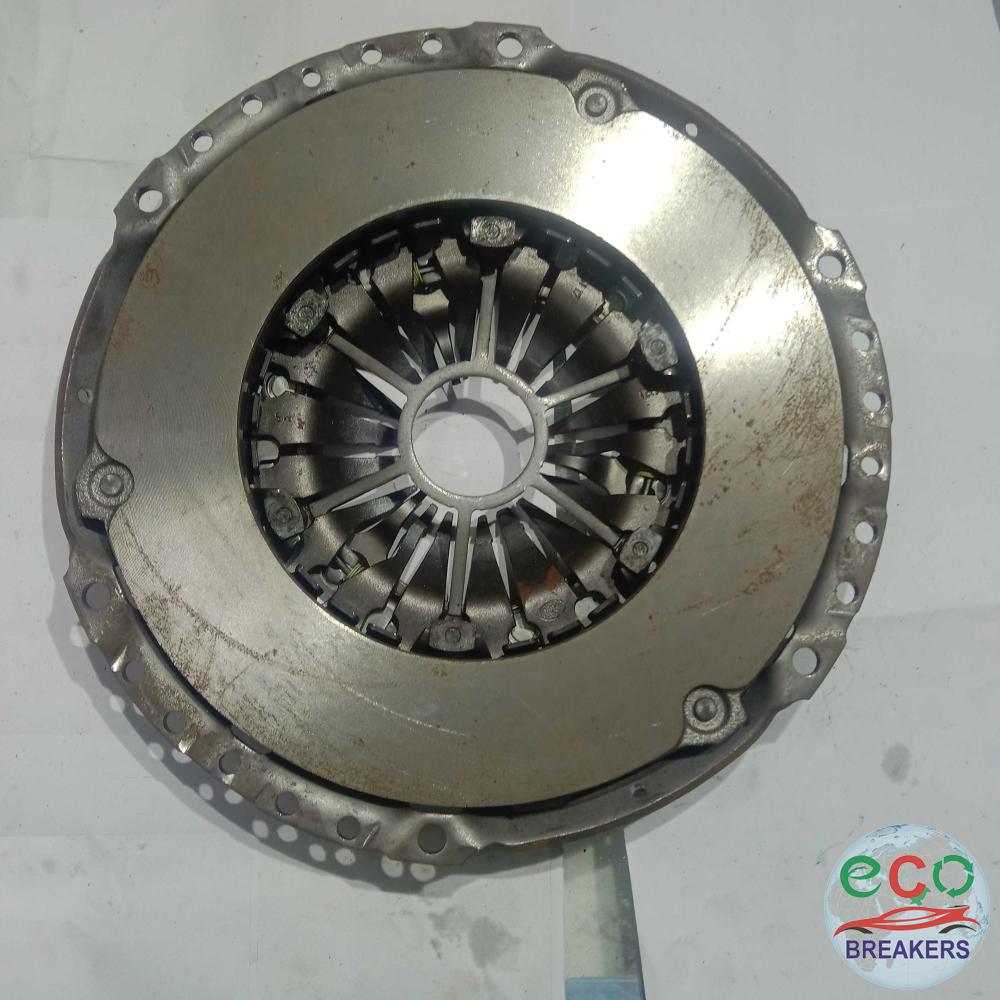
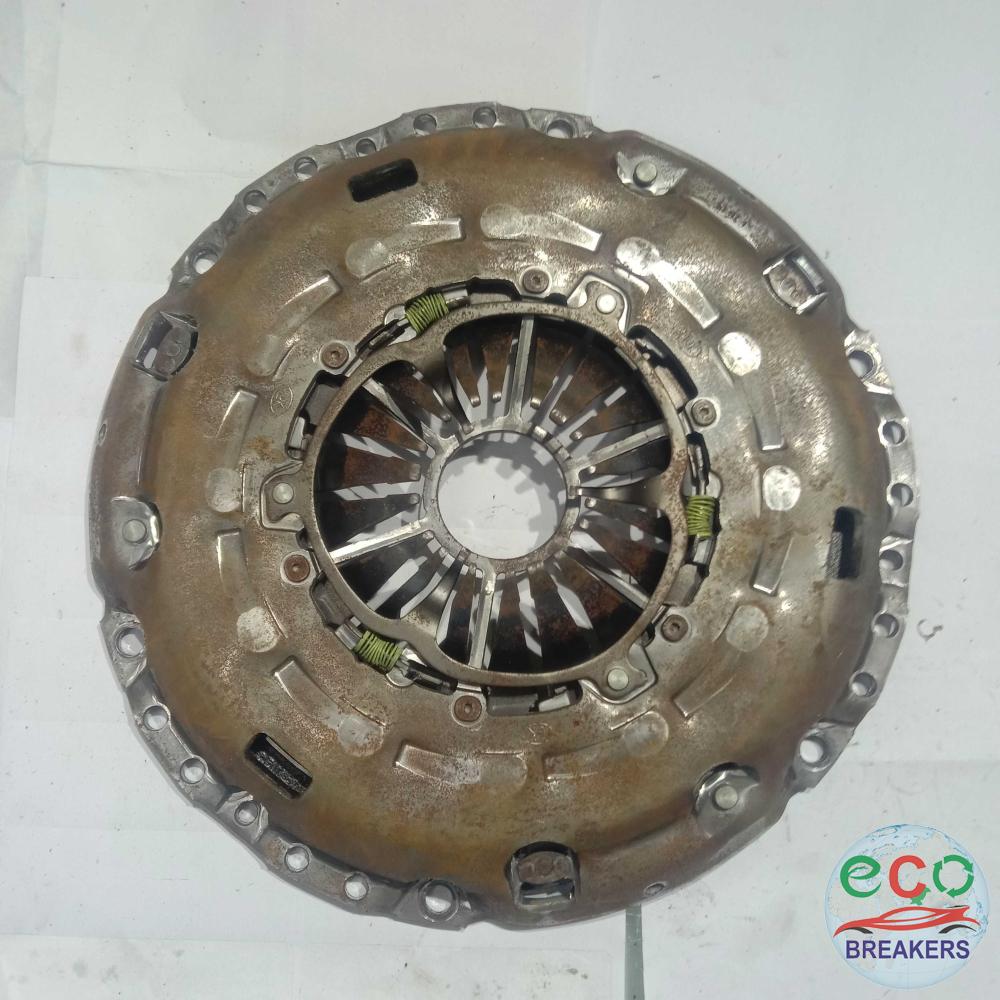
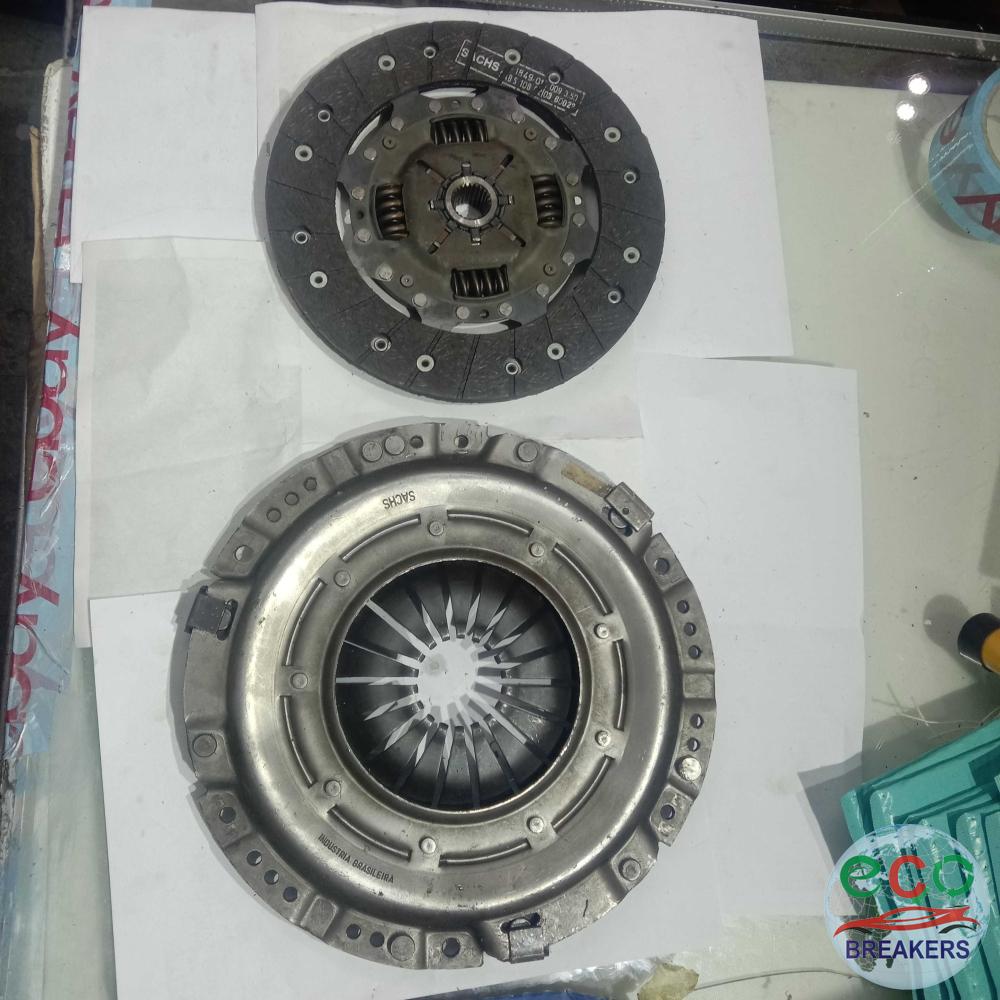
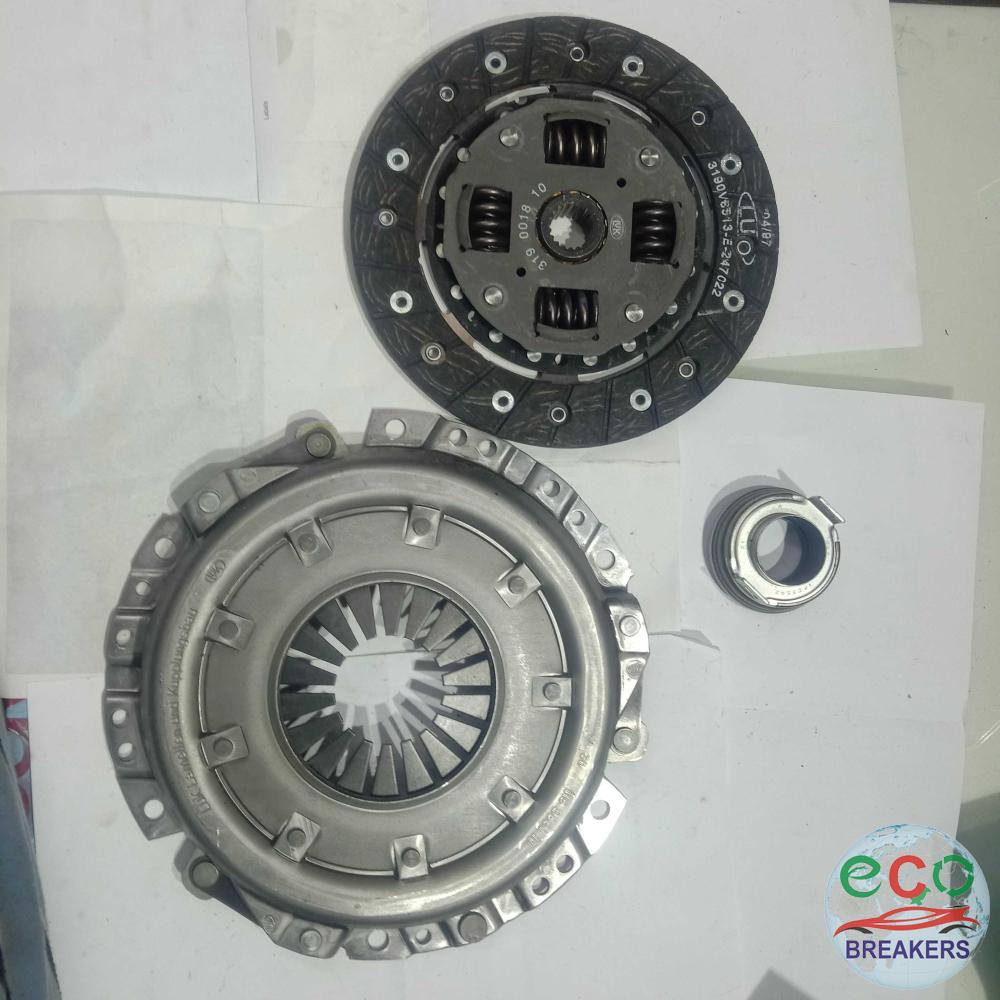
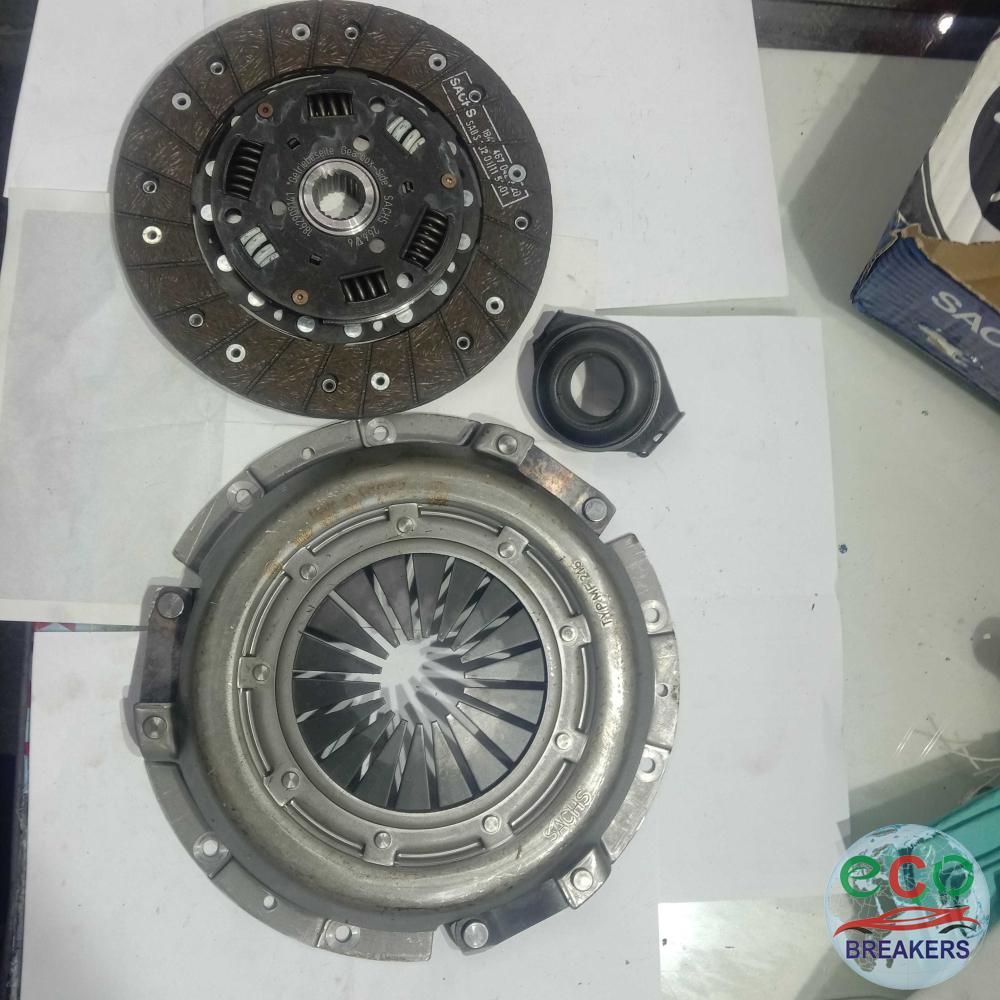
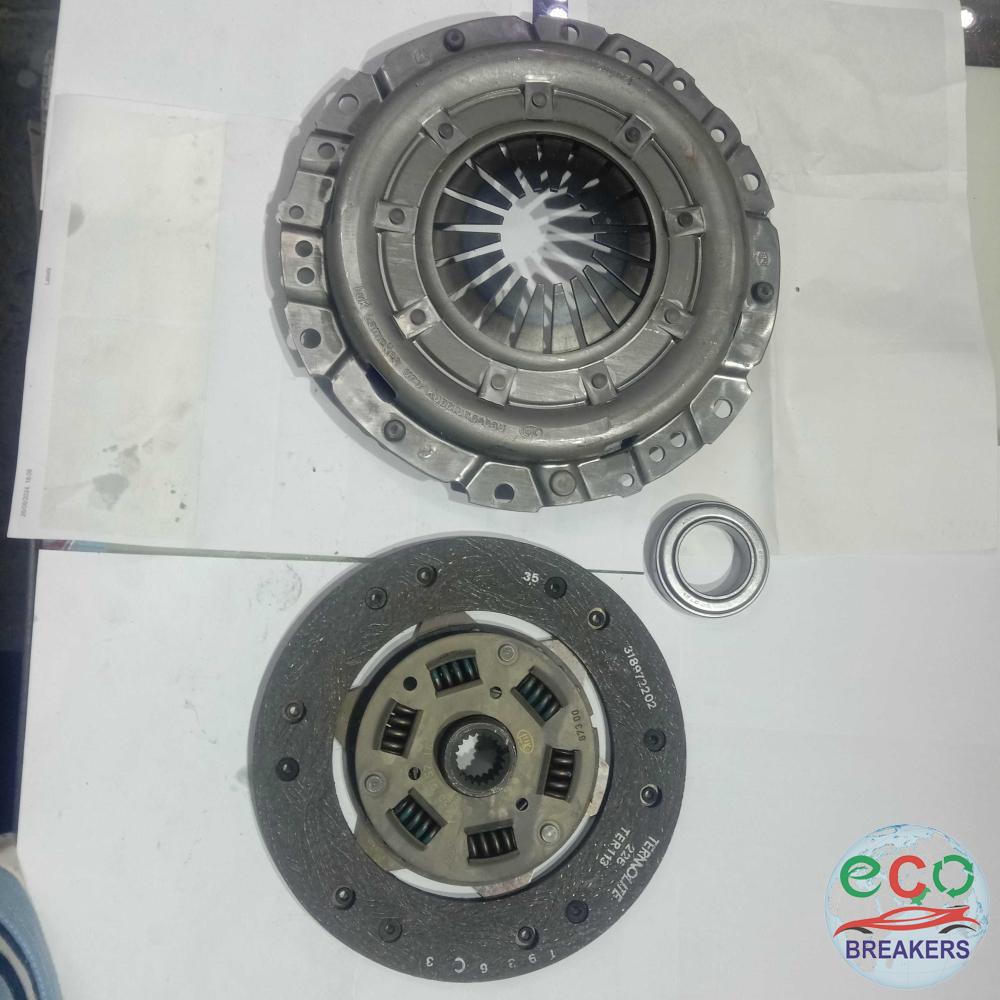
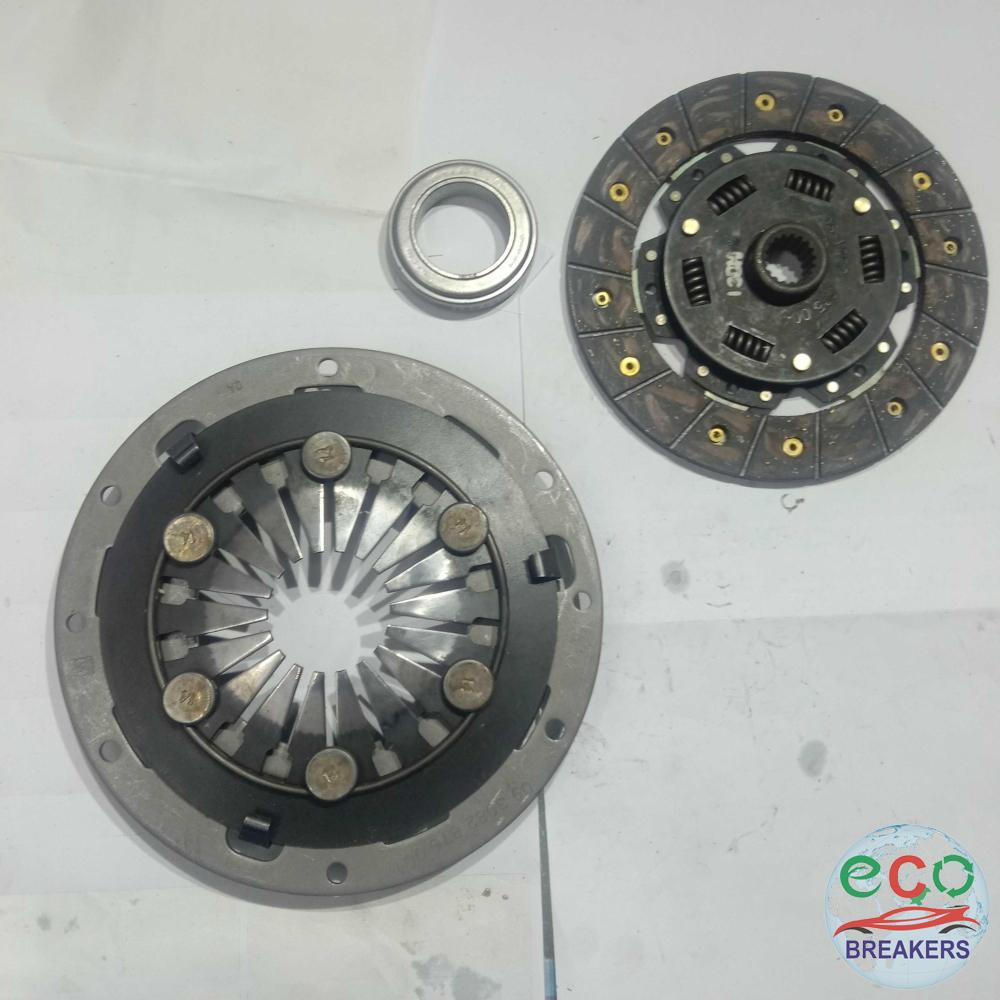
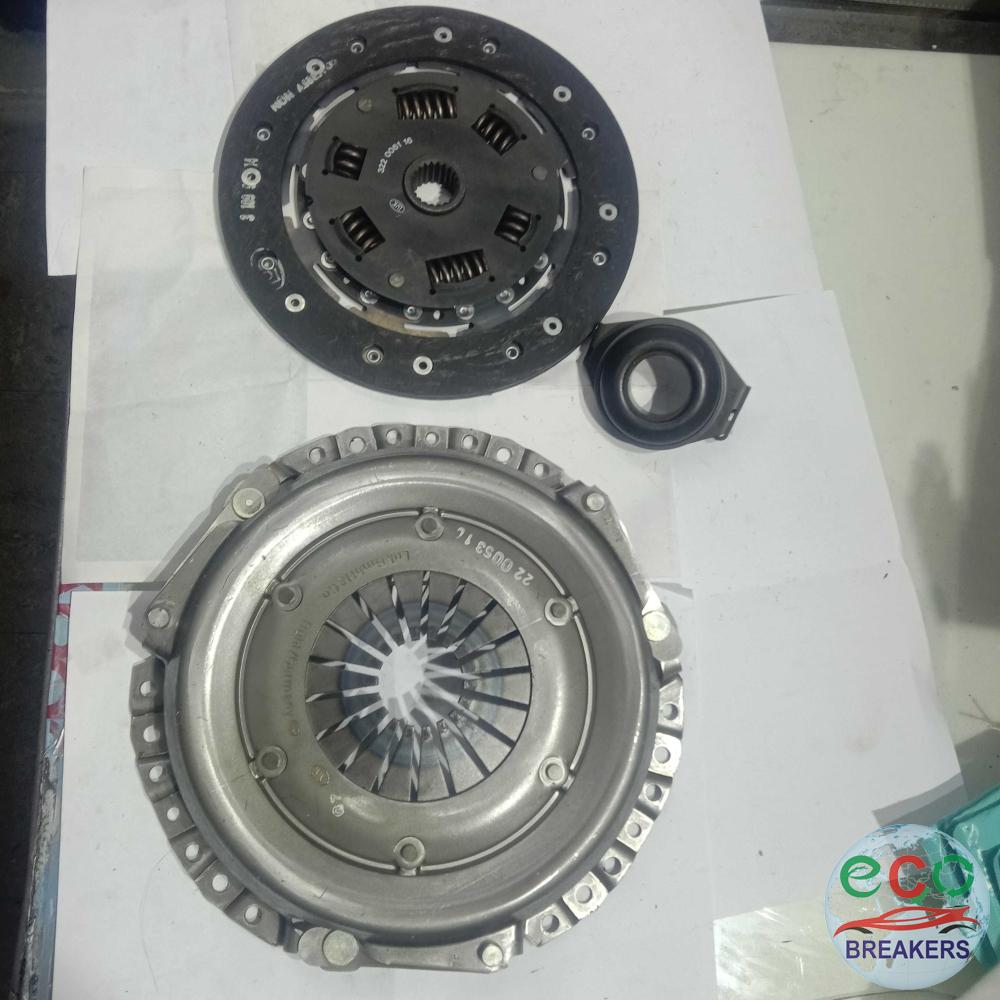
Clutch Kit 3 Pieces
Short Description
Slipping, dragging, juddering or a noisy clutch? A plain-English guide to what each symptom means, the real causes behind it, and how each one is fixed.
Details
A clutch rarely fails without warning. Almost every clutch problem shows up first as one of four symptoms: slipping, dragging, shuddering, or noise. Each one points to a different set of causes, and some of them have nothing to do with the clutch disc itself - which is why simply fitting a new clutch doesn't always cure the problem. This guide walks through each symptom, what is actually going wrong inside the bell housing, and how it is put right.
1. A Slipping Clutch
You press the accelerator, the revs climb, but the car doesn't pick up speed to match - often most noticeable in a high gear going uphill, sometimes with a burning smell. The clutch is no longer clamping the disc hard enough to carry the engine's torque.
What causes it
Oil on the friction facings - engine oil from a leaking crankshaft rear seal or gearbox oil from the input shaft seal soaks into the facings and they lose their grip. The leak has to be repaired as well as the disc replaced, or the new clutch will go the same way.
Facings worn out - either simply at the end of their life, or scorched early by riding the clutch, frequent second-gear starts, or heavy downshifting.
Facings broken up - a sudden shock load such as a missed gear or a fast "speed shift" can make the facing material burst, and driving on scorched facings finishes the job.
A weak diaphragm spring - repeated overheating fatigues the spring in the clutch cover until it no longer clamps firmly. Fitting the wrong cover for the car has the same effect.
The release mechanism holding the clutch partly open - if the release bearing stays in contact with the diaphragm spring (a cable that has stretched with use, or a mechanism misaligned when it was fitted), the clutch never fully engages.
Facings worn down to the end of their life - the most common cause of a slipping clutch.
How it is fixed
Worn, broken or oil-soaked facings and a weak diaphragm spring all mean replacing the disc - and because the cover's pressure plate and spring wear alongside it, the disc and cover should be replaced together. Where oil was the cause, the leaking seal is repaired first. A release mechanism that is holding the clutch open is simply readjusted.
2. A Dragging Clutch (Won't Fully Disengage)
The opposite fault: with the pedal pressed right down, the clutch still transmits some drive. Gears crunch or are hard to select, the car creeps when it shouldn't, and first or reverse can be difficult to engage from a standstill.
What causes it
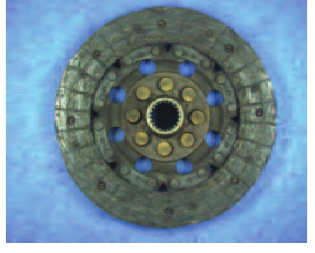
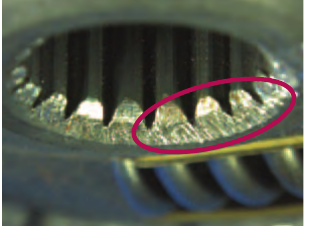
Damaged splines - if the gearbox input shaft was knocked against the disc hub while the gearbox was being refitted, the splines get burred and the disc can no longer slide freely along the shaft. A distorted disc plate that wobbles as it spins does the same.
Dry splines - the disc hub needs a thin film of grease on its splines. Too little, and the disc sticks instead of sliding clear.
A distorted disc - if the crankshaft and gearbox input shaft aren't properly lined up, the disc runs in a wobble (a "figure of eight" rotation) and bends, so it keeps rubbing even when the clutch is disengaged.
A bent cover - the thin straps inside the clutch cover, or its retracting springs, are easily bent or broken if the cover is dropped or damaged in transit, and a bent cover won't lift the pressure plate cleanly.
A hydraulic or cable fault - low fluid from a leak in the clutch hydraulics, an incorrectly adjusted cable, a release fork fitted the wrong way, or a mechanism that is out of line all stop the clutch releasing fully.
Flywheel run-out - a flywheel that isn't running true.
Burred splines in the disc hub (circled), caused when the gearbox input shaft was forced in off-centre.
How it is fixed
Damaged splines, a distorted disc or a bent cover all mean a new disc and cover - and the gearbox must go back in square and centred on the disc, supported rather than allowed to hang on the input shaft, so the new parts aren't damaged the same way. Dry splines just need a light coat of grease. A hydraulic, cable or fork fault is corrected and adjusted, and a flywheel that runs out is realigned or replaced.
3. Clutch Judder or Shudder When Pulling Away
The car shakes or vibrates as the clutch bites, usually worst when pulling away gently in first or reverse. This is the friction surfaces grabbing and releasing unevenly instead of taking up the drive smoothly.
What causes it
Oil or grease on the facings - it only takes greasy fingers on the new disc during fitting, or too much spline grease being flung outwards onto the facings as the clutch spins.
Heat-damaged facings - worn or scorched by slipping the clutch, frequent second-gear starts or harsh downshifting.
A glazed pressure plate - overheating leaves the cover's friction face hard and shiny.
A glazed flywheel - the same thing on the flywheel's friction face.
How it is fixed
Contaminated or heat-damaged facings mean a new disc, and a glazed pressure plate means a new cover - again, always replace the cover when you replace the disc. A glazed flywheel has to be replaced or serviced. When fitting, keep the new disc's facings completely clean and wipe away any grease beyond a thin film on the splines.
4. Noises, or No Drive at All (A Broken Clutch)
Rattles, grinding or clattering from the bell housing, or the engine revving with no drive to the wheels at all, usually mean something inside the clutch has physically broken.
Broken disc components - misalignment between the crankshaft and input shaft can break the disc apart and throw out its springs, or break it so completely that no engine power reaches the gearbox.
A burst facing - long periods of slipping the clutch or a missed gear can burst the friction material off the disc.
A broken cover - a flywheel that runs out of true can snap the cover's retracting springs.
Worn diaphragm spring tips - if the release bearing isn't centred, it wears the inner ends of the diaphragm spring fingers unevenly and stops the bearing turning smoothly.
The fix is a new disc and cover, plus whatever caused the failure: the gearbox centred properly on refitting, a new flywheel if it runs out, and a correctly centred release bearing. If driving style caused a burst facing, that needs to change too, or the new clutch won't last.
5. The Wrong Part, or a Sticky Release Mechanism
Two faults catch people out after a clutch has already been replaced. The first is simply the wrong clutch cover for the car - clutches that look almost identical can have different clamp loads and dimensions, so always match the part number, not just the size. The second is a release fork, pushrod or cable that moves roughly, which makes the clutch feel heavy or erratic; the release mechanism needs freeing off and readjusting.
How to Make a Clutch Last
Don't rest your foot on the clutch pedal or hold the car on a hill with the clutch - that is slipping the clutch, and it cooks the facings.
Pull away in first gear, not second, and avoid slamming down through the gears to slow down.
Fix engine and gearbox oil leaks promptly before they reach the clutch.
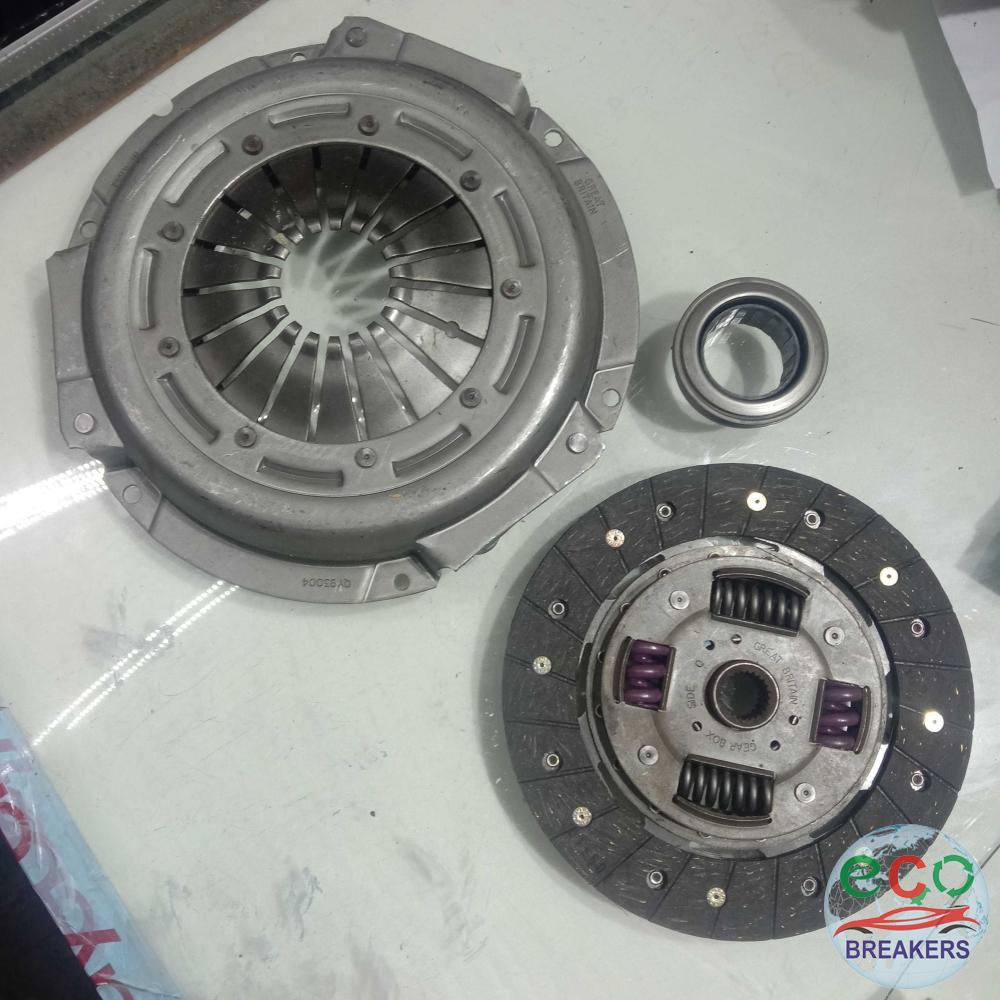
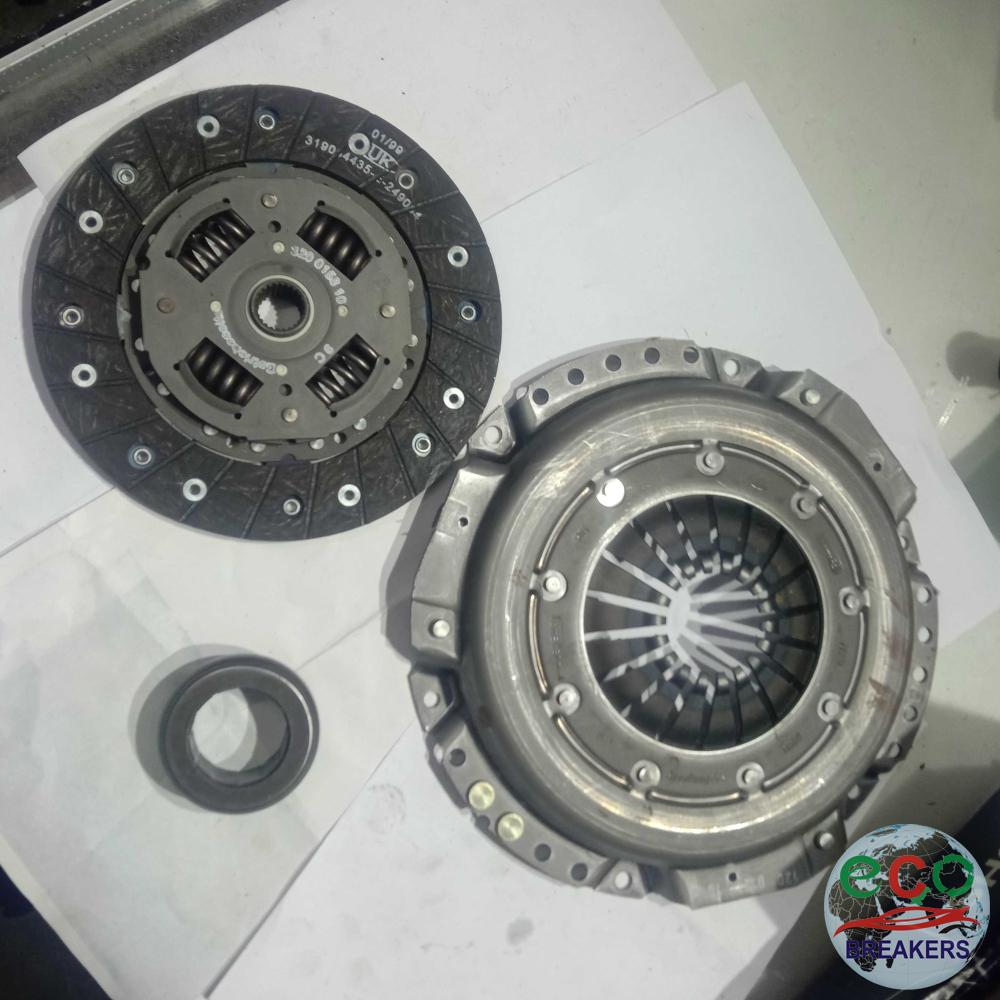
When the clutch is replaced, fit the disc, cover and release bearing as a set - a clutch kit includes all three, and usually the alignment tool too.
Why a kit? The disc, the cover and the release bearing all wear together. Fitting only a new disc against a tired cover or a noisy bearing often means taking the gearbox off again a few months later - and the labour is usually the biggest part of the bill.
Technical diagrams and failure photos courtesy of AISIN, an original-equipment clutch manufacturer. Always follow the vehicle manufacturer's service manual and torque figures for your specific car.
In Stock Now
Vauxhall Vectra C MK2 ZCF6 Clutch Kit 3 Pieces 1.9 1910 cc Diesel Z19DT 2002 - 2008 5 MTM 5 Door Hatchback
Part Number(s): 93190165, 93179220 - click a part number above to view and buy this exact part.