Timing Chain Covers: Why They Leak, What They Do and How They Are Sealed

Timing Chain Kit

Short Description

What a timing chain cover does, why many modern covers carry the water pump and oil pump, why they leak, and how they are resealed properly with liquid gasket.

Details

On an engine with a timing chain, the chain, its sprockets, tensioner and guides run inside the front of the engine, bathed in oil. The timing chain cover closes all of that in. It keeps the oil in, keeps dirt and water out, and protects the chain and gears from debris. On many modern engines it does a lot more than that.
More Than Just a Cover

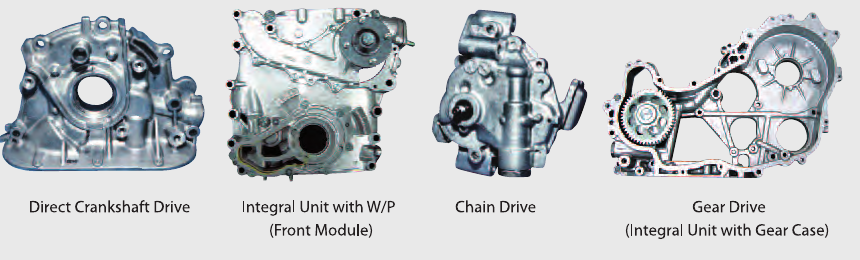
Timing cover with integrated water and oil pumps
Many modern engines combine the timing cover with the water pump and oil pump in one front module (second from left).

Engine makers increasingly build the water pump and oil pump into the timing chain cover as a single front module. The oil pump is often driven directly by the crankshaft through the cover, and the water pump bolts to or is cast into it. That saves weight and space - but it means the cover is carrying coolant passages, oil passages and a crankshaft seal as well as the chain housing.

For repairs, this is good news: a complete cover assembly with the water pump and oil pump already fitted allows a one-step replacement of all three, rather than rebuilding each part separately. Engines such as Toyota's 2GR-FE V6 and 1FZ-FE use this module-style cover.
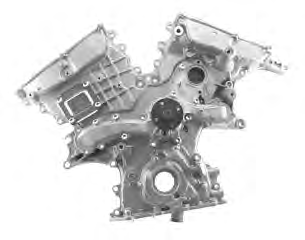
Timing chain cover assembly
A complete timing chain cover assembly, supplied with the water pump and oil pump already fitted.

Why Timing Covers Leak

  • The sealant has aged - most timing covers are sealed with a bead of liquid gasket rather than a paper gasket. Over years of heat cycles it hardens and lets oil weep out, usually at the bottom corners where the cover meets the sump and cylinder head.
  • The crankshaft front oil seal has worn - oil sprays from behind the crankshaft pulley.
  • The water pump seal has failed - on a front module, a coolant leak from the water pump weep hole is still a cover-area leak.
  • Oil pump O-rings or seals have hardened, on covers carrying the oil pump.

A leaking timing cover isn't just messy. Oil dripping onto the auxiliary belt shortens its life, and a coolant leak from a front-module water pump can lead to overheating.

How a Timing Cover Is Sealed: Liquid Gasket (FIPG)

Rather than a cut gasket, most Japanese engines use a form-in-place gasket (FIPG) - a liquid sealant laid as a continuous bead on the mating face, which cures into a flexible rubber seal once the parts are bolted together. The same type of sealant is used on water pumps, sumps (oil pans) and valve covers. A good FIPG is resistant to engine oil, coolant, high temperature and pressure, and typically copes with temperatures from around -40 C to 150 C.

Resealing a timing cover properly

  • Remove every trace of the old sealant from both faces - new sealant will not bond to old sealant or to oil.
  • Degrease both surfaces thoroughly and check them for damage or distortion.
  • Lay a continuous, even bead of the specified sealant, going round the inside of bolt holes, with no gaps.
  • Assemble promptly - FIPG sealants skin over quickly (some are tack-free within about five minutes), so the cover should be fitted and bolted down within the working time given for the product.
  • Tighten the cover bolts evenly in the sequence and torque the manufacturer specifies, and allow the sealant to cure before refilling with oil and running the engine.
  • Fit a new crankshaft front seal while the cover is off - it is cheap, and it is the other common source of a leak.
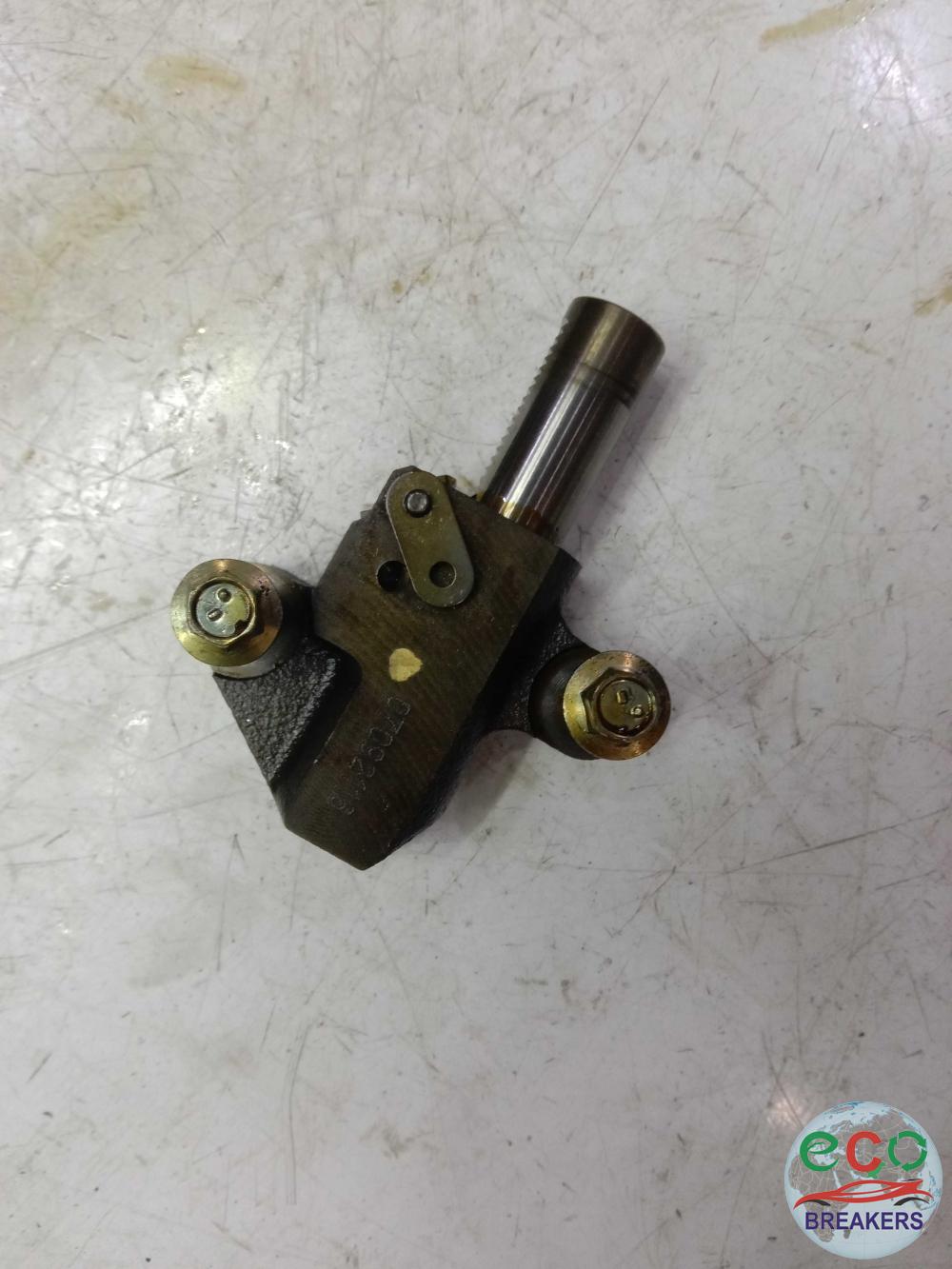
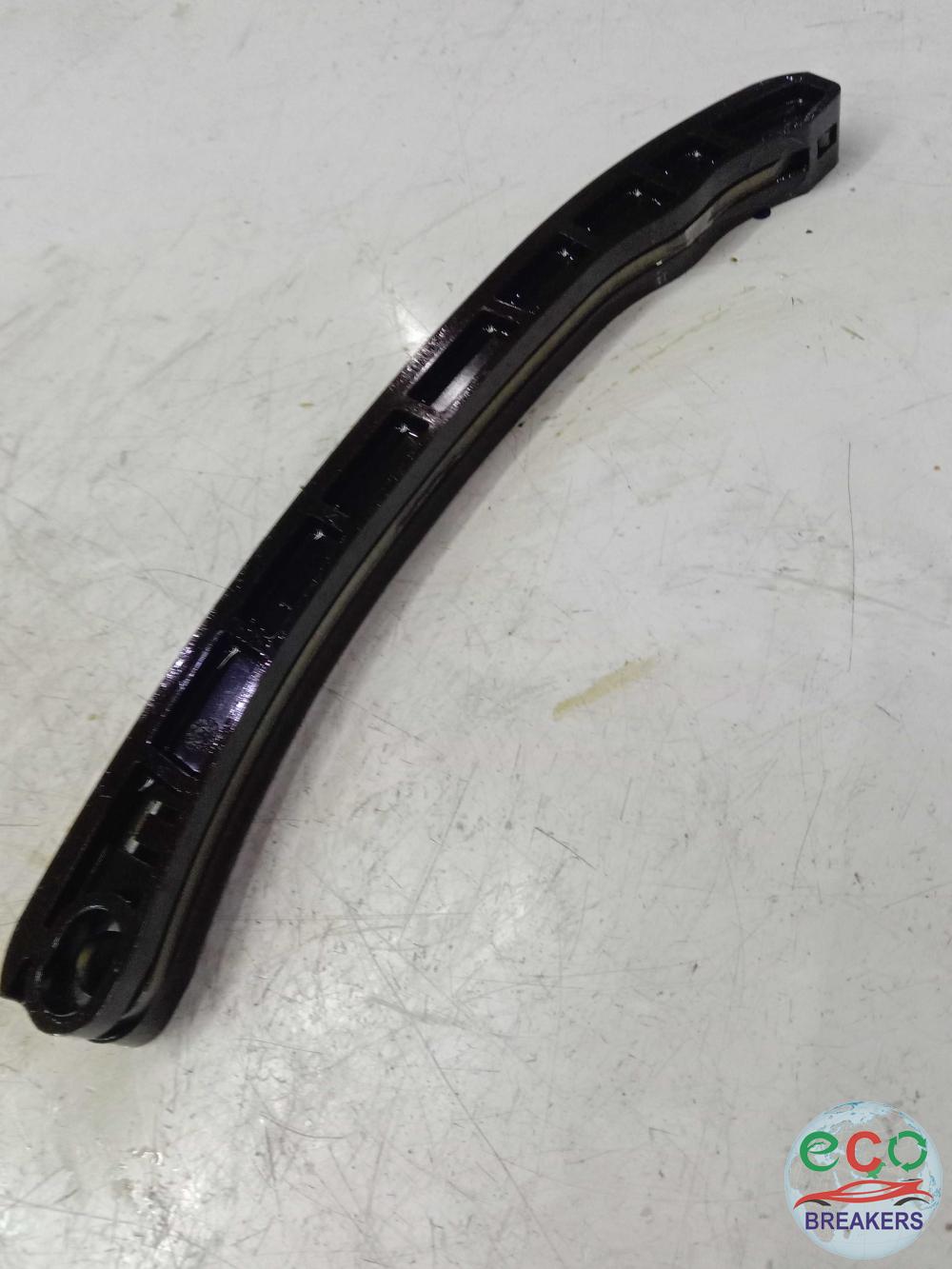
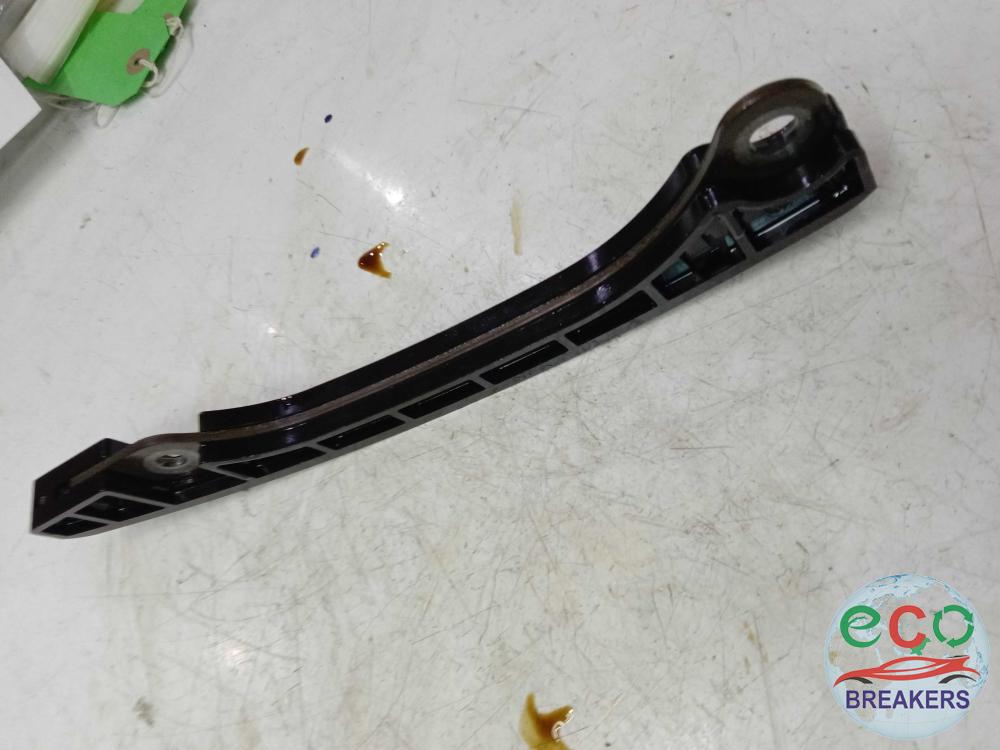
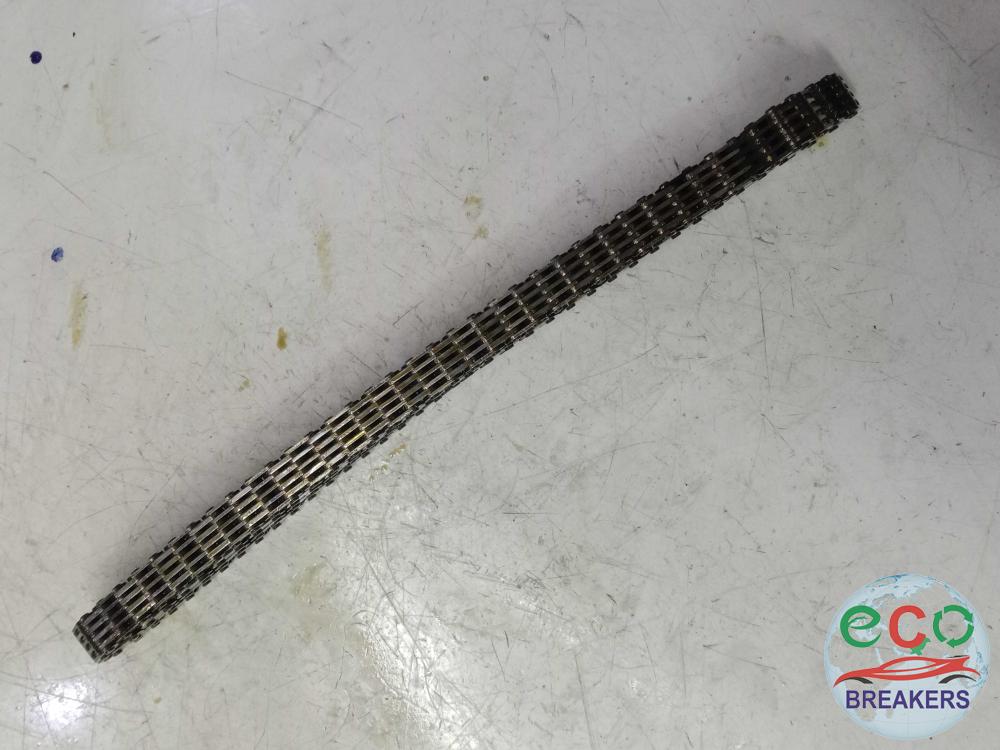
While the cover is off: the timing chain, tensioner and guides are right in front of you. If the engine has high mileage or a history of chain rattle on start-up, that is the time to replace them as a kit rather than taking the front of the engine apart again later.

Technical diagrams and failure photos courtesy of AISIN, an original-equipment engine component manufacturer. Always follow the vehicle manufacturer's service manual and torque figures for your specific car.

In Stock Now

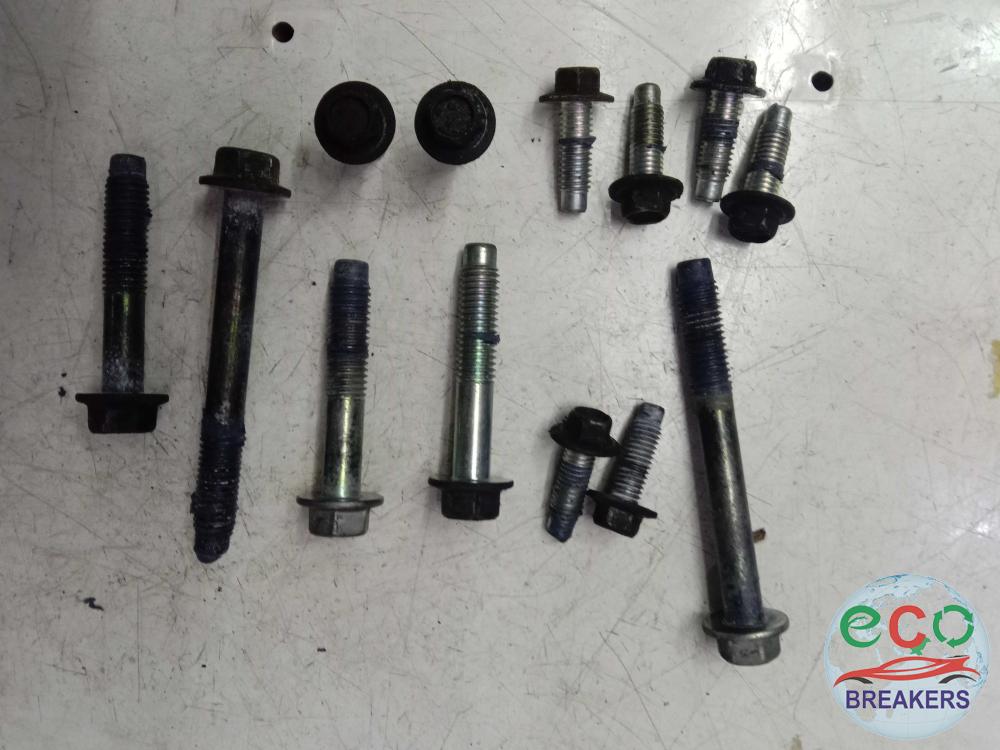
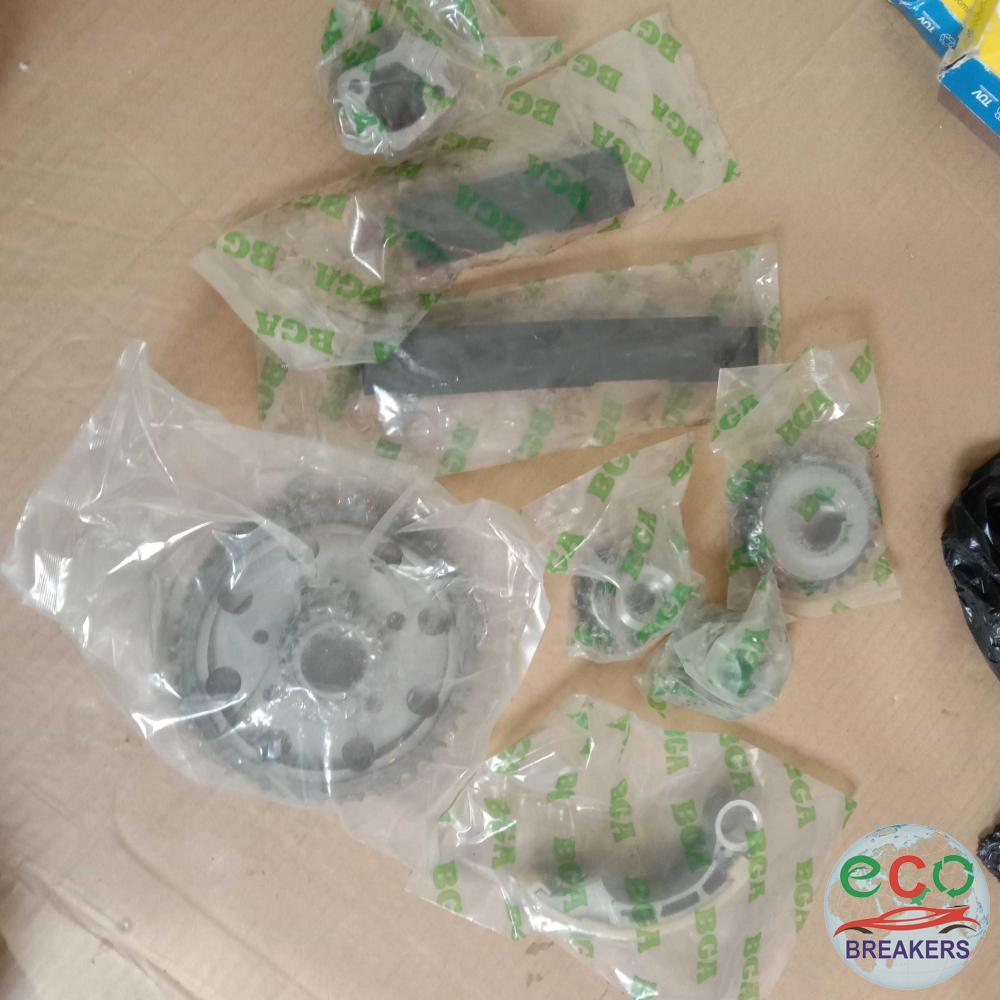
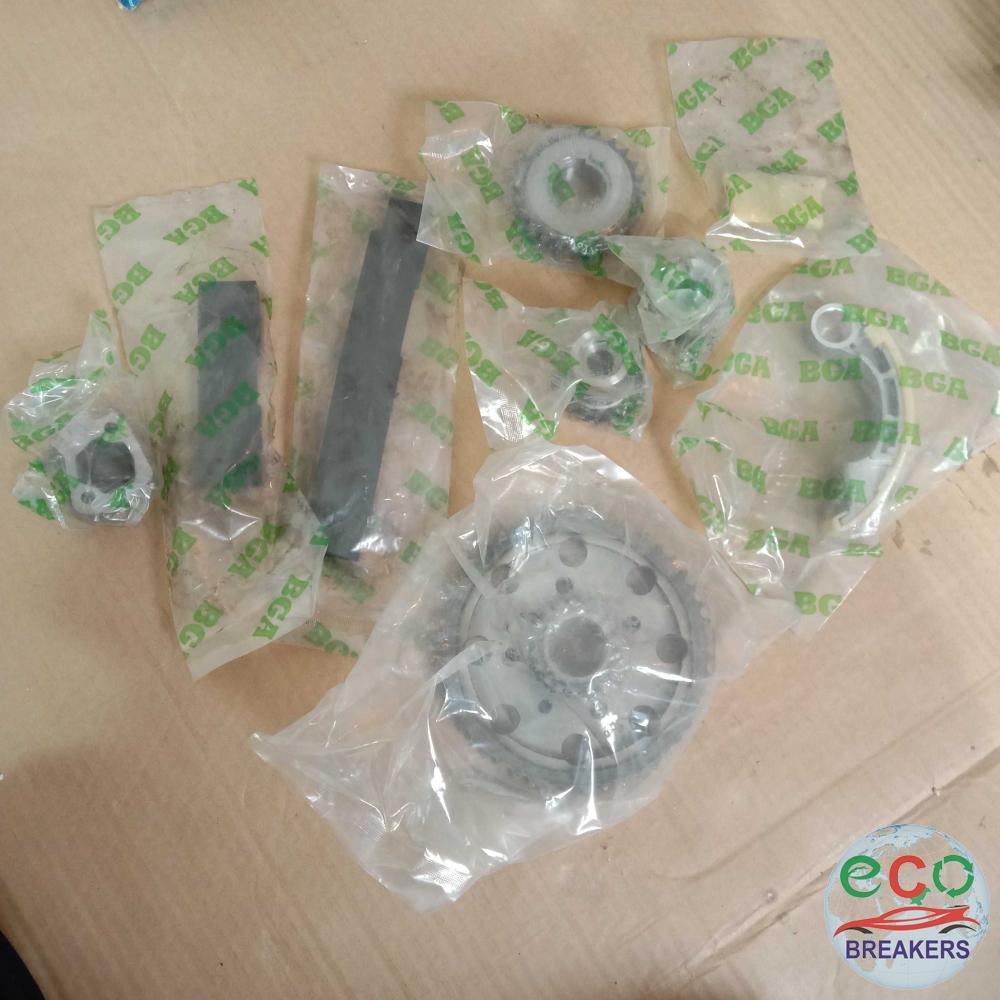
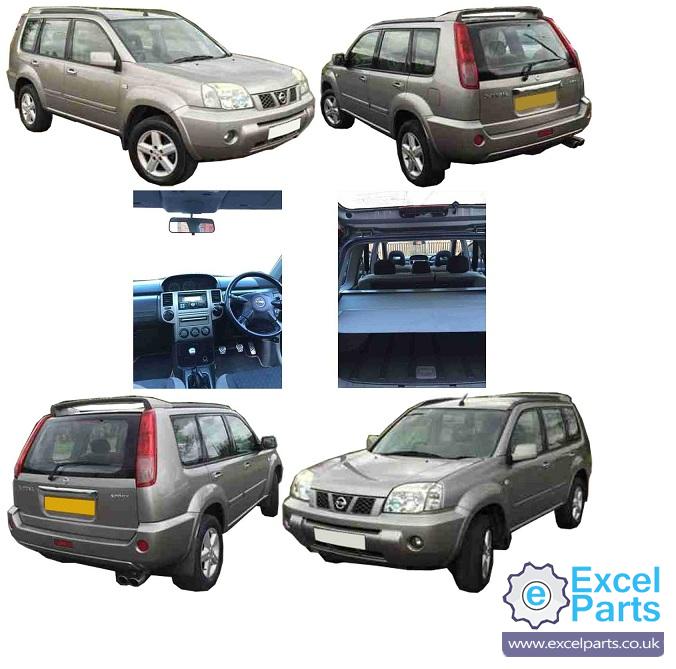
Nissan X-Trail MK1 T30 Timing Chain Kit 2.2 2184 cc Diesel YD22DDTi 2001 - 2007

Nissan X-Trail MK1 T30 Timing Chain Kit 2.2 2184 cc Diesel YD22DDTi 2001 - 2007

Part Number(s): 13028AD20A, 13091AD210, 13085BN300 - click a part number above to view and buy this exact part.

Click Here To Buy This Part →

Looking for timing chain parts for a different car? Send us your registration and we'll check what we have.